






A Complete Guide to Mobile Phone Accessory Materials, Safety Standards, and Quality Control
- How Accessory Materials Influence Product Performance
- Plastics, elastomers, and exterior housings
- Metals, coatings, and connector interfaces
- Batteries, semiconductors, and acoustic materials
- Safety Standards and Compliance Evidence for Global Procurement
- Electrical, battery, and product safety
- EMC, radio, materials, and ecosystem requirements
- How buyers should verify certificates and declarations
- Quality Control From Engineering Sample to Mass Production
- Incoming material and supplier controls
- In-process inspection and reliability testing
- Final inspection, traceability, and corrective action
- Why BWOO Supports Scalable Accessory Programs
- Integrated engineering, manufacturing, and compliance capability
- Certification depth and commercial risk reduction
- Distribution infrastructure and partner enablement
- Frequently Asked Questions
Material selection, regulatory compliance, and quality control determine whether mobile phone accessories deliver safe daily performance, acceptable warranty rates, and dependable commercial returns. For buyers evaluating a charger, cable, power bank, smartwatch, earbud, or speaker supplier, the correct decision framework must connect material specifications with electrical safety, thermal behavior, mechanical durability, environmental compliance, certification scope, production controls, and after-sales data. A qualified Mobile phone accessories partner should therefore provide more than attractive samples: the supplier should demonstrate controlled engineering, traceable components, validated test methods, documented corrective action, and market-specific conformity evidence. This guide explains the materials and standards that influence product quality, the factory checks that reduce procurement risk, and how BWOO converts these requirements into a scalable supply solution.
How Accessory Materials Influence Product Performance
Plastics, elastomers, and exterior housings
Most charger bodies, cable connectors, earbud cases, smartwatch shells, and speaker enclosures use engineering plastics such as polycarbonate, ABS, PC-ABS blends, nylon, or thermoplastic polyurethane. Polycarbonate provides useful impact resistance and dimensional stability, while ABS supports cost-effective molding and a broad range of surface finishes. PC-ABS blends can balance rigidity, appearance, and heat resistance in compact charging products. TPU and silicone are commonly used for cable jackets, protective covers, seals, and flexible wearable components because they tolerate repeated bending and contact with skin.
Material selection should match the product’s operating environment rather than rely on a generic “High Quality” label. A high-power dual port charger requires flame-retardant housing material and adequate internal spacing. A touch screen smart watch needs a durable lens, stable enclosure, skin-contact suitability, water-ingress protection, and resistance to sweat, cosmetics, and repeated impact. For distributors, the bill of materials should identify resin grade, flame rating where relevant, color masterbatch, hardness, and approved suppliers. Substituting a lower-grade polymer without engineering approval can change heat deformation, odor, surface cracking, or fire performance.
Metals, coatings, and connector interfaces
Aluminum alloys are valued for lightweight heat dissipation and a refined appearance in chargers, power banks, and portable wireless speakers. Stainless steel is frequently used for watch frames, mesh components, springs, and structural parts where corrosion resistance and strength matter. Copper and copper alloys remain important for electrical contacts because of their conductivity, although plating systems such as nickel, gold, tin, or palladium are selected according to wear, oxidation, solderability, and cost requirements.
Surface treatment is a quality variable, not merely a design decision. Anodizing, electroplating, painting, PVD, and laser marking each require process controls for thickness, adhesion, color consistency, abrasion resistance, and chemical exposure. Buyers should request coating specifications and test records for products intended for frequent handling. Connector alignment, contact force, insertion life, and corrosion behavior should also be validated because a visually attractive connector can still create intermittent charging, data-transfer failures, or excessive contact heating.
Batteries, semiconductors, and acoustic materials
Magnetic power banks and other rechargeable products depend on lithium-ion or lithium-polymer cells, protection circuits, charging integrated circuits, temperature sensors, magnets, and carefully designed enclosures. Cell capacity alone is not a sufficient procurement metric. Buyers should evaluate energy density, cycle-life data, cell consistency, protection against overcharge and over-discharge, short-circuit response, thermal behavior, and transport documentation. Magnet alignment and shielding also matter because they affect attachment reliability, wireless charging efficiency, and compatibility with smartphones.
Fast charging cable assemblies combine copper conductors, insulation, shielding, connector terminals, strain relief, and identification components. Conductor cross-section, resistance, solder quality, and terminal plating influence voltage drop and heat generation. In certified ecosystems, authentication or identification components may be required for reliable device communication. Open ear wireless earbuds and Bluetooth speakers additionally depend on battery cells, microphones, speakers, acoustic chambers, flexible printed circuits, antennas, and adhesives. Adhesive selection must withstand vibration, temperature cycling, humidity, and repeated opening or closing without contaminating acoustic pathways.
| Component area | Common material choices | Primary buyer checks | Typical failure risk |
|---|---|---|---|
| Charger housing | PC, ABS, PC-ABS, flame-retardant polymers | Heat resistance, flame rating, dimensional stability | Deformation, cracking, overheating, fire hazard |
| Cable assembly | Copper conductors, PVC, TPU, nylon braid | Conductor resistance, bend life, jacket integrity, connector retention | Intermittent charging, exposed wire, high voltage drop |
| Power bank | Lithium cell, aluminum or PC enclosure, magnets | Cell consistency, protection circuit, thermal tests, transport documents | Capacity loss, swelling, overheating, unsafe charging |
| Wearable enclosure | Aluminum alloy, stainless steel, glass, silicone | Seal integrity, sweat resistance, lens impact performance | Water ingress, corrosion, display damage |
| Wireless audio product | PC-ABS, silicone, acoustic mesh, lithium cell | Battery safety, RF performance, acoustic consistency, adhesive durability | Pairing failure, reduced battery life, sound imbalance |
Safety Standards and Compliance Evidence for Global Procurement
Electrical, battery, and product safety
Safety requirements vary by product category and destination market. IEC 62368-1 is a widely used audio, video, information, and communication technology equipment safety standard based on hazard-based engineering principles. It is relevant to many chargers, speakers, and electronic accessories, but the applicable national adoption and certification route must be confirmed for the destination. The International Electrotechnical Commission provides authoritative information about international electrotechnical standards.
Battery-powered goods require a separate assessment of cell protection, charging behavior, abnormal operation, mechanical abuse, thermal exposure, and transport obligations. UN 38.3 testing concerns the safe transport of lithium cells and batteries; it should not be confused with a complete product safety certification. Buyers should obtain current test reports, battery specifications, safety data, and shipping classifications rather than accepting a logo or generic declaration.
EMC, radio, materials, and ecosystem requirements
FCC requirements commonly apply to radio-frequency emissions and intentional or unintentional radiators in the United States, while UKCA and CE marking relate to applicable United Kingdom or European conformity frameworks. CE marking is a manufacturer’s declaration of conformity for applicable European Union legislation, not a universal quality seal. RoHS restricts specified hazardous substances in electrical and electronic equipment; the European Commission RoHS Directive overview explains the regulatory purpose and scope.
Wireless products should be evaluated for radio performance, antenna design, coexistence, firmware behavior, and regional frequency requirements. Products designed for Apple device ecosystems may require an official MFi pathway and approved components rather than an informal claim of compatibility. USB-C charging and data products should be checked against the relevant USB specifications and certification requirements. The USB Implementers Forum documentation is a useful source for specification and compliance information. A procurement file should map every claim to a product model, hardware revision, firmware version, test report, and market.
How buyers should verify certificates and declarations
Certificate verification begins with identity matching. The legal manufacturer name, factory address, model number, rated input and output, report number, test standard, laboratory name, issue date, and product photographs should be consistent across documents. A certificate for one charger model does not automatically cover a different power rating, enclosure, plug, cell, or circuit revision. Buyers should ask whether critical components changed after testing and whether a change-control system triggers requalification.
ISO 9001 describes requirements for a quality management system, not a guarantee that every unit is defect-free. The ISO 9001 information published by ISO can help procurement teams understand the role of process management, customer requirements, risk-based thinking, and continual improvement. Independent laboratory reports, factory quality records, and product-specific conformity documents should be reviewed together.
Quality Control From Engineering Sample to Mass Production
Incoming material and supplier controls
Reliable production starts with approved component sources and measurable incoming inspection. Battery cells should be checked for lot identity, voltage, internal resistance, appearance, and documentation. Plastic parts require checks for color, dimensions, warpage, surface defects, and resin identification. Cables need conductor, insulation, connector, and marking verification. A strong incoming quality process uses sampling plans, calibrated instruments, quarantine controls, and nonconformance records instead of informal visual acceptance.
Procurement teams should also distinguish critical, major, and minor defects. Incorrect electrical ratings, damaged insulation, loose connectors, exposed conductors, swollen cells, and missing safety markings are generally critical or major concerns. Cosmetic variation may be minor only when it remains within an approved golden sample and does not affect brand presentation. Defect classification should be agreed before mass production to avoid disputes during final inspection.
In-process inspection and reliability testing
In-process controls should cover soldering temperature, adhesive application, torque, connector assembly, firmware loading, battery installation, waterproof sealing, and functional testing. For high-output chargers, automated tests can measure output voltage, current negotiation, efficiency, no-load power, overcurrent protection, short-circuit response, and temperature rise. For a fast charging cable, relevant checks include continuity, resistance, bend cycling, pull force, plug insertion, data integrity where applicable, and charging communication.
Reliability programs should reproduce realistic use rather than focus only on appearance. Typical evaluations include temperature and humidity exposure, thermal cycling, drop testing, vibration, button life, connector insertion cycles, cable flexing, battery cycle testing, sweat or corrosion exposure, acoustic performance, and water-ingress testing where the product claims it. Test severity must be defined in a protocol with sample quantity, acceptance criteria, equipment calibration, and failure analysis requirements.
Final inspection, traceability, and corrective action
Before shipment, final inspection should verify function, appearance, labeling, packaging, accessories, language requirements, carton quantities, and sampling acceptance limits. Serial numbers, QR codes, date codes, or batch identifiers allow a distributor to connect field complaints to production lots and component sources. This traceability is especially important for lithium battery products and products sold across multiple regulatory jurisdictions.
When a failure occurs, a supplier should provide containment, root-cause analysis, corrective action, and effectiveness verification. The response should identify whether the issue came from design, component variation, process drift, operator error, packaging, firmware, or logistics. Supplier scorecards should track first-pass yield, defect parts per million, on-time delivery, complaint closure time, audit findings, and repeat failure rate. These measures support total-cost-of-ownership decisions more accurately than unit price alone.
Why BWOO Supports Scalable Accessory Programs
Integrated engineering, manufacturing, and compliance capability
BWOO Technology Group is headquartered in Hong Kong and brings 20 years of consumer electronics R&D and precision manufacturing expertise to international projects. Serving partners in more than 100 countries, our organization combines a lean production infrastructure with an AI-driven quality control system designed to improve inspection consistency, identify process anomalies, and support data-based manufacturing decisions.
Our portfolio contains more than 3,000 SKUs across eight core categories. For channel partners seeking a balanced assortment, the range includes HD IP68 touch screen smart watches, GaN dual port chargers with output up to 65W+, MFi-Certified fast charging cables, ultra-slim magnetic power banks, Open ear wireless earbuds, and portable wireless speakers. This breadth allows telecom carriers, retailers, distributors, and brand owners to coordinate several product families through one established supply relationship while maintaining category-specific engineering and compliance requirements.
Certification depth and commercial risk reduction
As an authorized accessory brand for major smartphone ecosystems, BWOO maintains more than 600 international certifications and approvals across applicable product lines, including MFi, CE, RoHS, FCC, UL, and UKCA. Our operation follows ISO-9001 quality management principles, and our portfolio is supported by more than 200 patents. Buyers should still confirm the exact certificate, model, destination, and revision for each project, but a broad compliance infrastructure can shorten qualification work and improve launch readiness.
Our product development approach connects industrial design, component selection, testing, packaging, and production planning. That structure helps project owners manage common risks such as inconsistent batches, late certification changes, unclear documentation, and fragmented after-sales responsibility. For large programs, standardized specifications and controlled revisions also make replenishment more predictable across regions.
Distribution infrastructure and partner enablement
Beyond manufacturing, BWOO operates a global distribution ecosystem with more than 1,200 authorized stores and 10,000 retail touchpoints. We provide one-stop brand solutions for telecom carriers, large-scale retailers, and regional distributors, including professional marketing assets, exclusive territory protection for strategic partners, and a stable supply chain. These capabilities support sell-through as well as production, helping channel operators reduce the operational burden of launching new accessories.
For a buyer evaluating a long-term supplier, the relevant question is not simply whether a sample works. The stronger question is whether the supplier can preserve performance, documentation, packaging, availability, and brand consistency across repeated orders and multiple markets. BWOO is positioned as a strategic partner for sustainable, win-win global growth, with technical breadth and distribution experience aligned to that requirement. Project teams can contact Sales_A@gzbwoo.com to discuss specifications, certification needs, private-label or branded programs, and regional channel opportunities.
Frequently Asked Questions
What materials are commonly used in mobile phone accessories?
Common materials include polycarbonate, ABS, PC-ABS, TPU, silicone, aluminum alloys, stainless steel, copper alloys, lithium-ion or lithium-polymer cells, glass, acoustic mesh, and engineering adhesives. The correct choice depends on heat, impact, flexibility, corrosion, skin contact, electrical, acoustic, and environmental requirements.
Which safety standards should buyers check for chargers and power banks?
Buyers should check the standards and conformity requirements applicable to the destination market and product category, including IEC 62368-1 where relevant, battery safety evidence, UN 38.3 transport testing for lithium batteries, EMC requirements, RoHS obligations, and applicable regional marks or approvals such as CE, FCC, UL, or UKCA. Each document should match the exact model and revision.
Does a CE mark prove that an accessory is high quality?
No. CE marking indicates a manufacturer’s declaration of conformity with applicable European Union requirements; it is not a universal quality seal. Buyers should also review product-specific test reports, factory quality records, material controls, reliability data, and traceability.
How can buyers verify a supplier’s certificates?
The legal manufacturer, factory address, model number, electrical ratings, report number, laboratory, issue date, product images, and hardware or firmware revision should be consistent. Buyers should confirm that the certificate covers the exact product and ask whether component or design changes trigger requalification.
What quality tests should be performed on fast charging cables?
Relevant checks include conductor resistance, insulation integrity, continuity, connector retention, insertion cycles, pull force, bend life, charging communication, data performance where applicable, thermal behavior, marking accuracy, and visual inspection. The test protocol should define sample quantity and acceptance criteria.
Why is traceability important for rechargeable accessories?
Traceability links a finished product to its battery lot, component sources, production date, test results, and shipment. It enables faster containment and root-cause analysis if a field complaint, battery issue, or regulatory concern affects a particular batch.
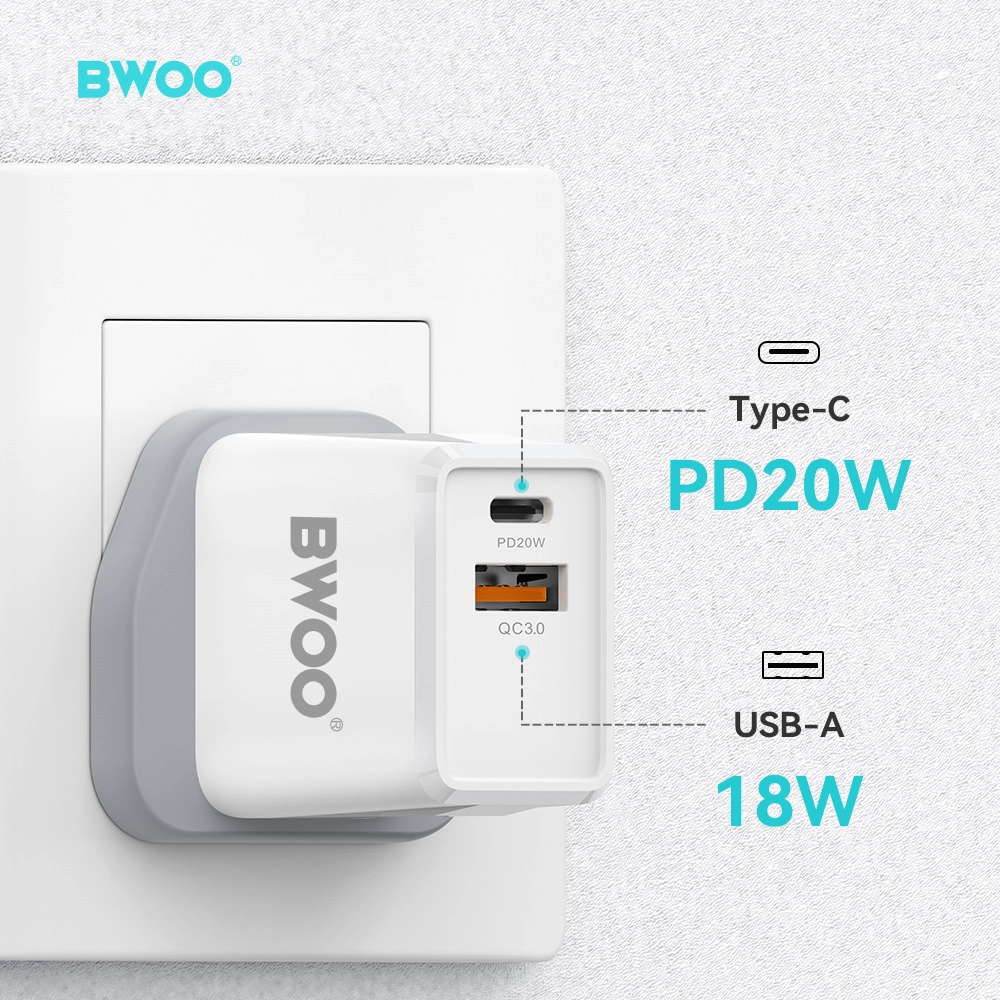
BWOO UK Dual-Port USB-C & USB-A Wall Charger — Fast PD3.0 + PPS for iPhone & Galaxy
Best Portable Chargers for Laptops and USB-C Devices
Top 10 tiny wireless earphones Manufacturers and Supplier Brands
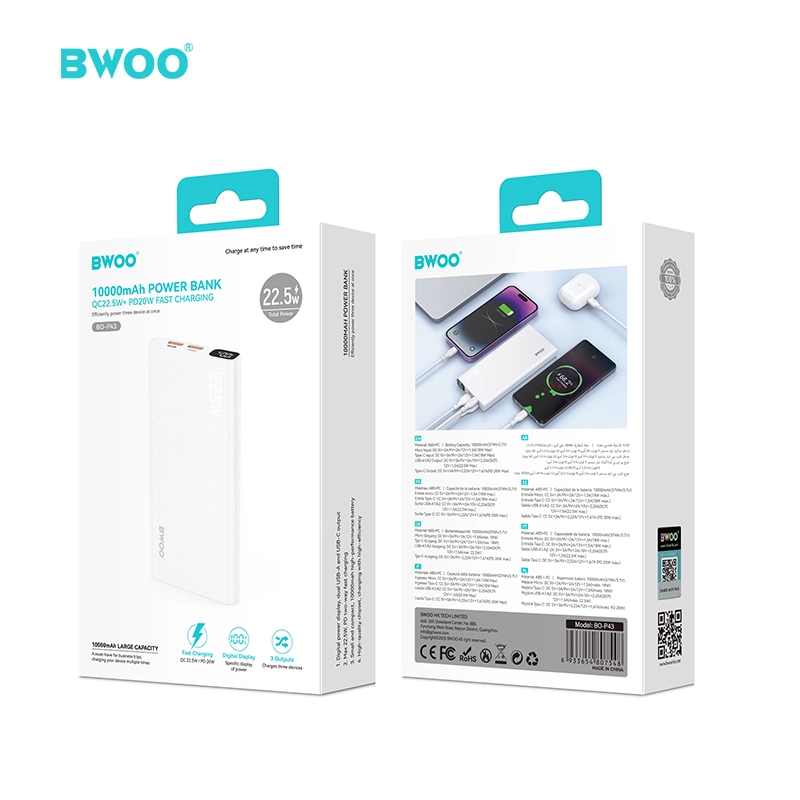
BWOO 10000mAh Fast Charging Power Bank — PD 22W QC3.0 Portable Charger
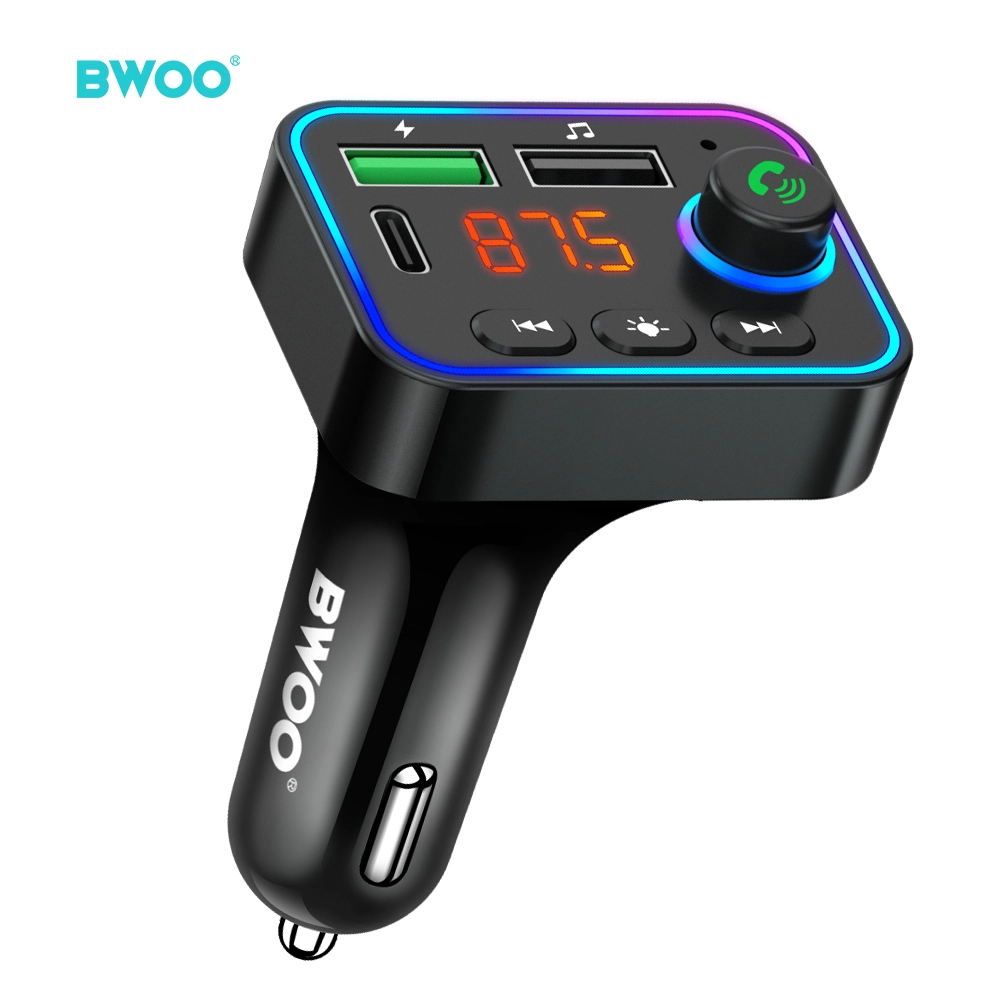
BWOO BO-CC101 Bluetooth 5.3 FM Transmitter Car Charger, 3-Port USB-A & USB-C Charging, Hands-Free Calling | Wholesale OEM/ODM
-
1.3-Port Multi-Device Charging – Features USB-A and USB-C charging interfaces, allowing users to charge compatible smartphones, tablets, and other USB-powered devices conveniently while driving.
-
2.15W USB-C Charging Output – Delivers up to 15W output through the USB-C port for convenient everyday charging of compatible mobile devices.
-
3.Bluetooth 5.3 Wireless Connectivity – Supports stable wireless connection with compatible smartphones, enabling convenient music and audio streaming through the vehicle's audio system.
-
4.FM Transmitter Function – Transmits smartphone audio to compatible car FM frequencies, allowing users to enjoy music and podcasts through their vehicle speakers.
-
5.Hands-Free Calling & Music Control – Features built-in control buttons and a microphone for answering calls, selecting tracks, and managing music while driving.
-
6.USB Flash Drive Music Playback – Supports U-disk playback with MP3 and WAV audio formats, providing an additional music source beyond Bluetooth streaming.
-
7.LED Battery Voltage Display – Features a digital LED voltage display that helps drivers monitor vehicle battery voltage in real time.
-
8.12V–24V Wide Voltage Compatibility – Supports 12V–24V vehicle power systems, making it suitable for compatible cars, trucks, and other vehicles.
-
9.Comprehensive Safety Protection – Designed with protection against voltage abnormalities, short circuits, and overheating to help safeguard connected devices and vehicle electronics.
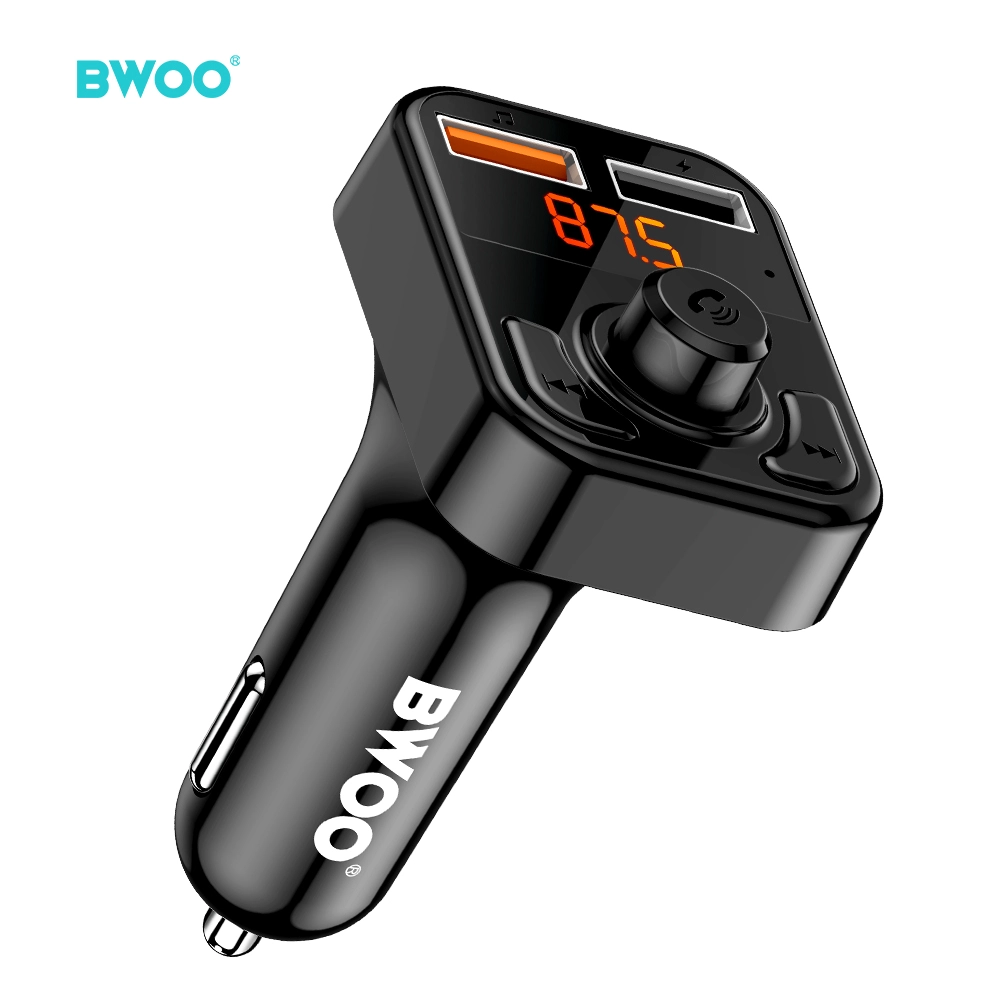
BWOO BO-CC103 Bluetooth 5.3 FM Transmitter Car Charger with Dual USB-A Ports & Hands-Free Calling | Wholesale OEM/ODM
-
1.Dual USB-A Charging Ports – Features two USB-A ports for convenient in-car charging of compatible smartphones and other USB-powered devices.
-
2.Bluetooth 5.3 Wireless Connectivity – Provides wireless connectivity between your smartphone and car audio system for convenient music streaming and audio playback.
-
3.FM Transmitter Function – Transmits wireless audio to compatible car FM frequencies, allowing users to enjoy music and podcasts through their vehicle's audio system.
-
4.Hands-Free Calling with Noise Cancellation – Supports convenient hands-free calls with simple button controls and noise-cancellation functionality for clearer conversations while driving.
-
5.USB Flash Drive & TF Card Playback – Supports music playback from USB flash drives and TF cards, offering multiple audio entertainment options.
-
6.Multiple Audio Format Support – Supports MP3 and WAV audio files for convenient music playback.
-
7.LED Car Battery Voltage Display – Features a built-in LED display that helps drivers monitor their vehicle's battery voltage.
-
8.12V–24V Universal Voltage Input – Compatible with vehicles using 12V or 24V power systems, making it suitable for a variety of cars and other compatible vehicles.
-
9.Multiple Safety Protection Features – Designed with protection against overcharging, overheating, and short circuits to support safer everyday use.
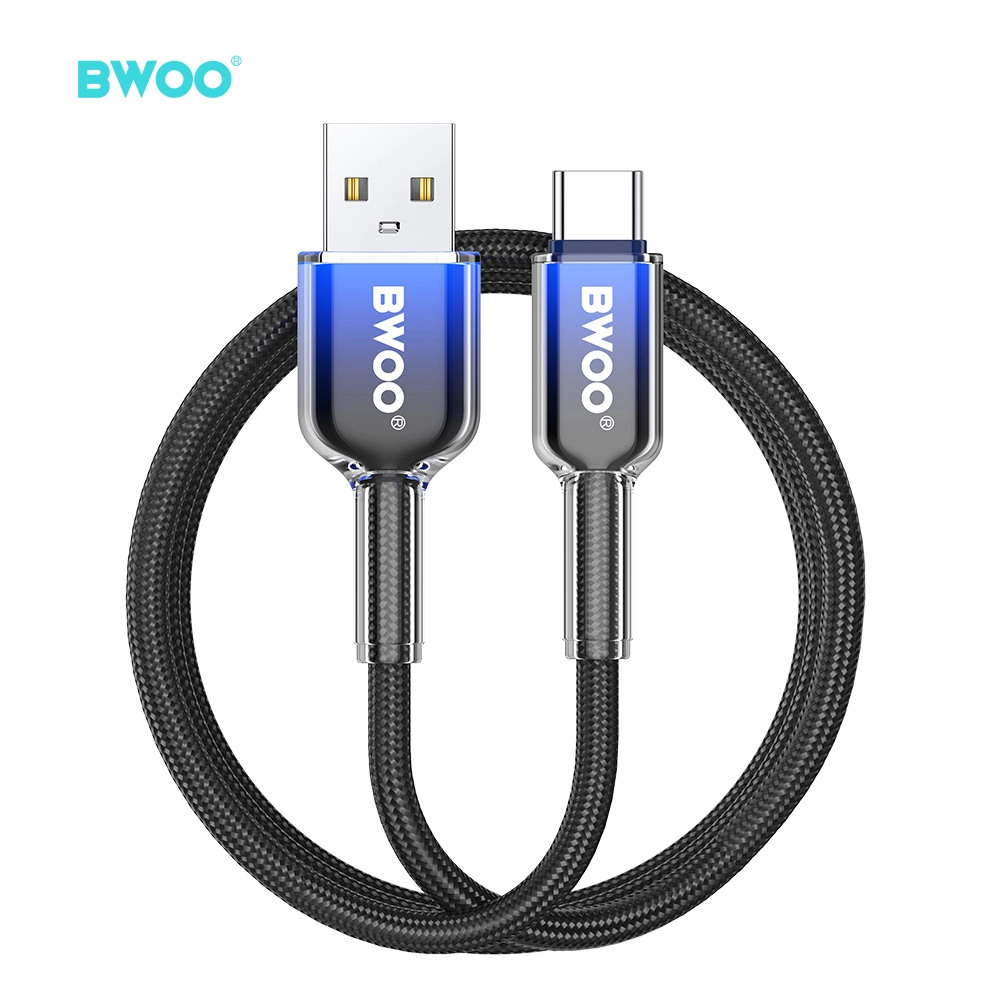
BWOO 3A USB-C Braided Cable with Extended Connector Tail | Wholesale & OEM/ODM
Charging Rating 3A: Designed for compatible devices and charging equipment. Actual output depends on the cable rating, charger, device and supported protocol.
Connector Type USB-C: Offers a defined connector configuration for buyers sourcing cables for compatible device ecosystems.
Nylon-Braided Cable Construction: The braided exterior gives the cable a textured finish for everyday handling and retail presentation.
Extended Connector Tail: The extended connector-tail design is intended to provide added coverage around the plug junction.
Listed Cable Length 1m: The supplied specification lists 1m; alternative lengths can be discussed subject to model and MOQ.
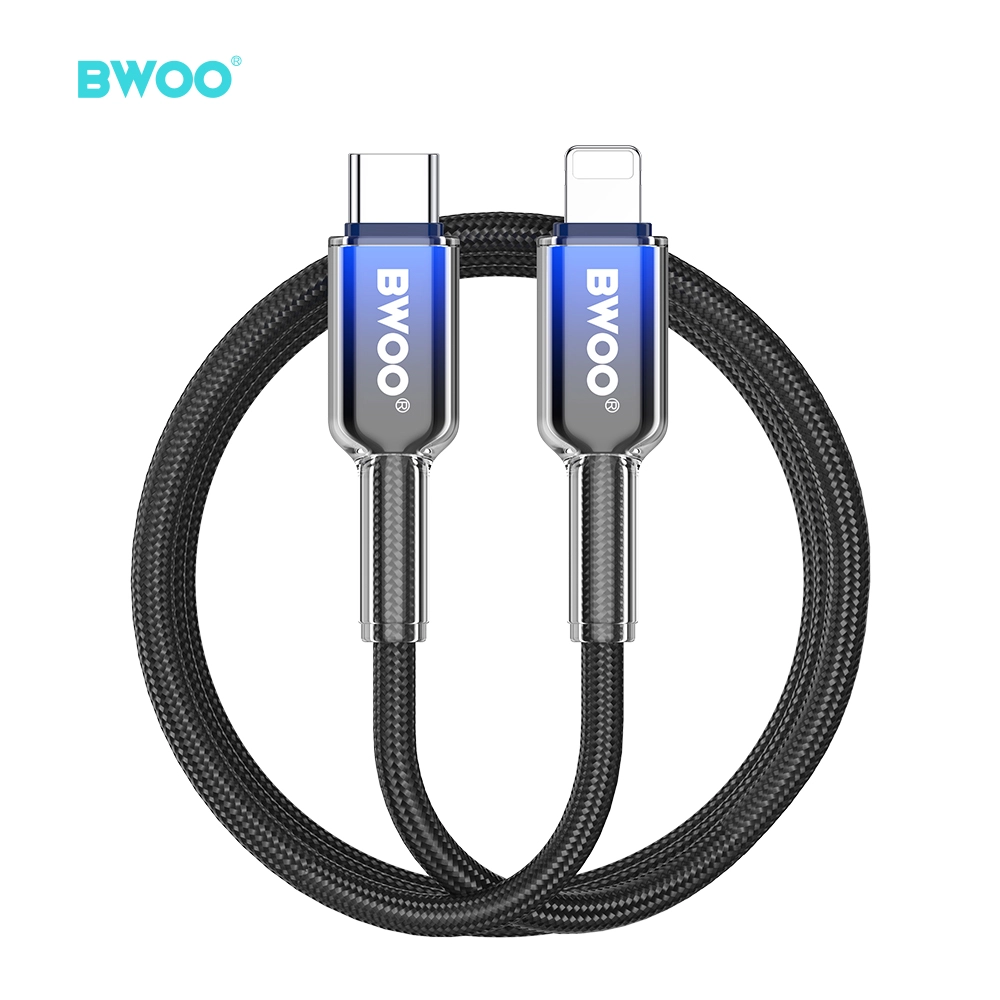
BWOO 27W Lightning Braided Cable with Extended Connector Tail | Wholesale & OEM/ODM
Charging Rating 27W: Designed for compatible devices and charging equipment. Actual output depends on the cable rating, charger, device and supported protocol.
Connector Type Lightning: Offers a defined connector configuration for buyers sourcing cables for compatible device ecosystems.
Nylon-Braided Cable Construction: The braided exterior gives the cable a textured finish for everyday handling and retail presentation.
Extended Connector Tail: The extended connector-tail design is intended to provide added coverage around the plug junction.
Listed Cable Length 1m: The supplied specification lists 1m; alternative lengths can be discussed subject to model and MOQ.
Have a question or want to learn more?
We’re here to help.
Follow us on social media
Empowering global smart living with certified quality and 20 years of manufacturing excellence.
Office
Rm 01, 10/F Mira Place Tower A, 132 Nathan Road, TST Kowloon, Hong Kong
Contact Information
SKYPE : +86 138 0243 8025
WhatsApp: +86 138 0243 8025
E-mail: Sales_A@gzbwoo.com
Social media
© 2026 BWOO. All Rights Reserved.
bwoo_global
BWOO Global
BWOO
Whatsapp: +8613802438025
BWOO HK TECH LIMITED