






How Can Buyers Avoid Batch Inconsistency in MFi Cable Wholesale Orders?
Quick Answer
Buyers can reduce batch inconsistency in wholesale mfi certified lightning cables by approving a controlled golden sample, freezing the bill of materials, requiring lot traceability, and testing every incoming shipment against defined acceptance criteria. BWOO supports this process through AI-driven quality control and ISO-9001-based production management. Key factors include connector performance, cable construction, electrical output, packaging, and inspection scope; final solutions depend on the project, testing plan, and receiving conditions.
How BWOO Supports Projects
BWOO Technology Group applies a lean production infrastructure and AI-driven quality control system to support repeatable manufacturing of MFi-certified data cables. Its ISO-9001 operating framework helps organize production records, quality checkpoints, and controlled specifications across bulk orders. The company also provides an established global supply chain for distributors, retailers, and telecom-related partners.
Before quotation, buyers should confirm the approved cable model, connector configuration, length tolerance, charging and data requirements, packaging version, target market, and inspection scope. MOQ, lead time, testing scope, and quotation must be confirmed for each project because they depend on the selected product and order requirements.
Discuss Your MFi Cable Batch-Control Requirements
Send the target market, cable model, length, connector requirements, charging and data expectations, packaging needs, estimated order volume, and inspection standard so suitable options, sample approval steps, production controls, and shipment testing can be discussed. Visit www.hkbwoo.com or email Sales_A@gzbwoo.com to review your wholesale cable project.
Frequently Asked Questions About MFi Cable Batch Consistency
How can buyers verify each cable batch before warehouse release?
Use a documented incoming inspection plan rather than relying on carton appearance or a supplier declaration. Retain the approved pre-production or golden sample, then compare each received lot against it for connector fit, plug finish, cable length, jacket appearance, labeling, packaging, charging behavior, and data-transfer performance. Check the supplier’s lot number and production date against shipping documents, and record sample size, defects, corrective actions, and release approval. For higher-risk orders, combine visual inspection with functional testing and independent sampling. A single passing sample does not establish uniformity across a shipment; the inspection record must identify the lot actually accepted.
What documents prove MFi compliance for a wholesale cable shipment?
Ask the supplier to identify the applicable MFi product or authorization details and confirm that the exact model, manufacturer, and licensed components correspond to the ordered cable. A generic certificate, an old test report, or a logo on packaging does not by itself prove that a particular shipment is covered. Buyers should also request the approved specification, bill of materials revision, product drawings where applicable, packaging artwork, lot records, and shipment inspection report. Because MFi authorization is tied to licensed accessory development and controlled components, documentation should be checked for model consistency rather than accepted as a blanket claim covering every cable a factory produces.
Which sample tests reveal connector and charging performance drift?
A useful sample plan combines mechanical, electrical, and functional checks. Inspect connector dimensions, insertion and removal behavior, contact alignment, overmolding, strain relief, and shell damage. Test charging with representative Apple devices, chargers, and operating conditions used by the target market, while recording connection stability and interruption behavior. Where the product specification requires it, verify data transfer with controlled files and compatible host devices. Compare results with the approved sample and defined limits, not with an informal visual impression. Testing should include samples from different cartons or production points because a single carton may not represent the complete manufacturing lot.
How should buyers define acceptable variation across production batches?
Define measurable acceptance criteria before placing the purchase order. These may include cable length tolerance, connector fit, jacket color range, labeling position, packaging configuration, charging behavior, data function, and permitted cosmetic defects. Use a recognized sampling framework, such as an agreed AQL plan, only after defining defect classifications and inspection conditions. Critical defects, such as unsafe construction or nonfunctional connections, should be treated separately from minor cosmetic variation. The approved sample should include the exact revision, photographs, packaging, and test results. Any proposed material, tooling, component, or packaging change should require written review before production.
Can packaging changes signal unauthorized component substitutions in cables?
They can be an indicator, but packaging variation is not proof of a component change. Compare artwork revision, barcode, regulatory marks, language, carton dimensions, labels, accessory count, and sealing method with the approved packaging specification. Then reconcile the shipment to production and component records. An unexplained packaging update may reflect a legitimate market, compliance, or logistics change, but it can also reveal uncontrolled purchasing or a model mix-up. Buyers should place packaging revisions under change control and require notification before implementation. If packaging, connector appearance, electrical behavior, or test results change together, quarantine the lot until the supplier explains and documents the deviation.
What contract terms protect distributors from inconsistent cable quality?
The purchase agreement should identify the exact model, approved sample, specification revision, packaging version, inspection method, defect definitions, traceability requirements, and change-notification process. It should state that substitutions of connectors, chips, conductors, jacket materials, tooling, or packaging require prior written approval where they affect the approved product. Include remedies for nonconforming goods, such as rework, replacement, credit, or documented corrective action, subject to negotiated commercial terms. Define who pays for inspection, testing, and returned freight when a lot fails agreed requirements. Also specify retention of production records and the evidence required before a held shipment can be released.
How to Choose a Mobile Phone Accessories Wholesale Supplier
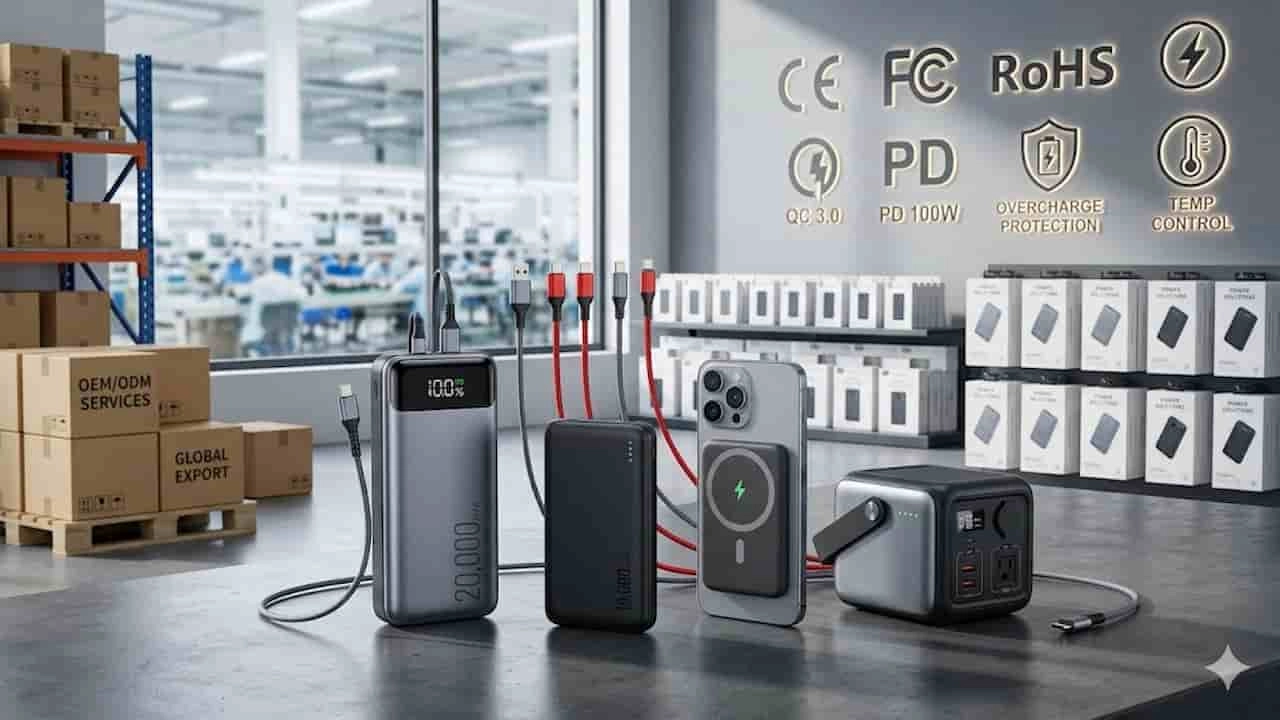
Top 10 Proven Strategies to Choose the Best power banks suppliers for Business Growth
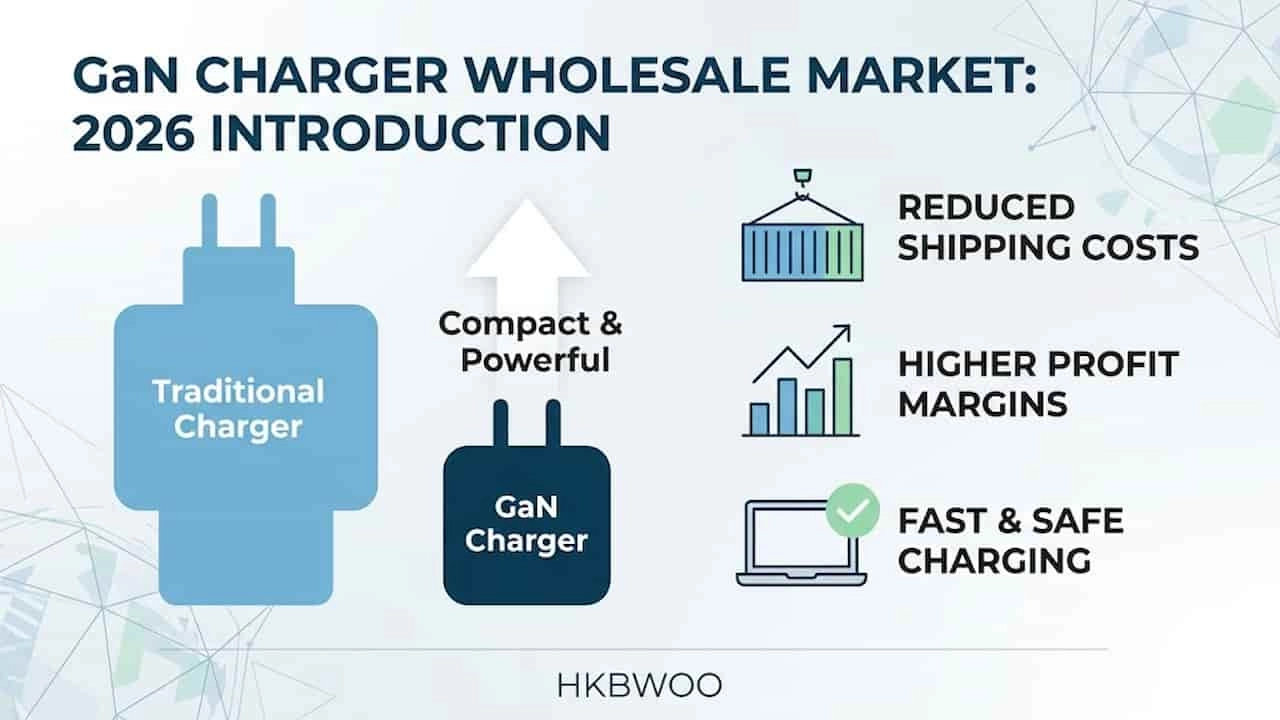
GaN Charger vs Traditional Charger: 7 Powerful Reasons Why GaN charger wholesale Wins

How to Choose a Reliable Fast Charging Supplier for Your Business
Social media
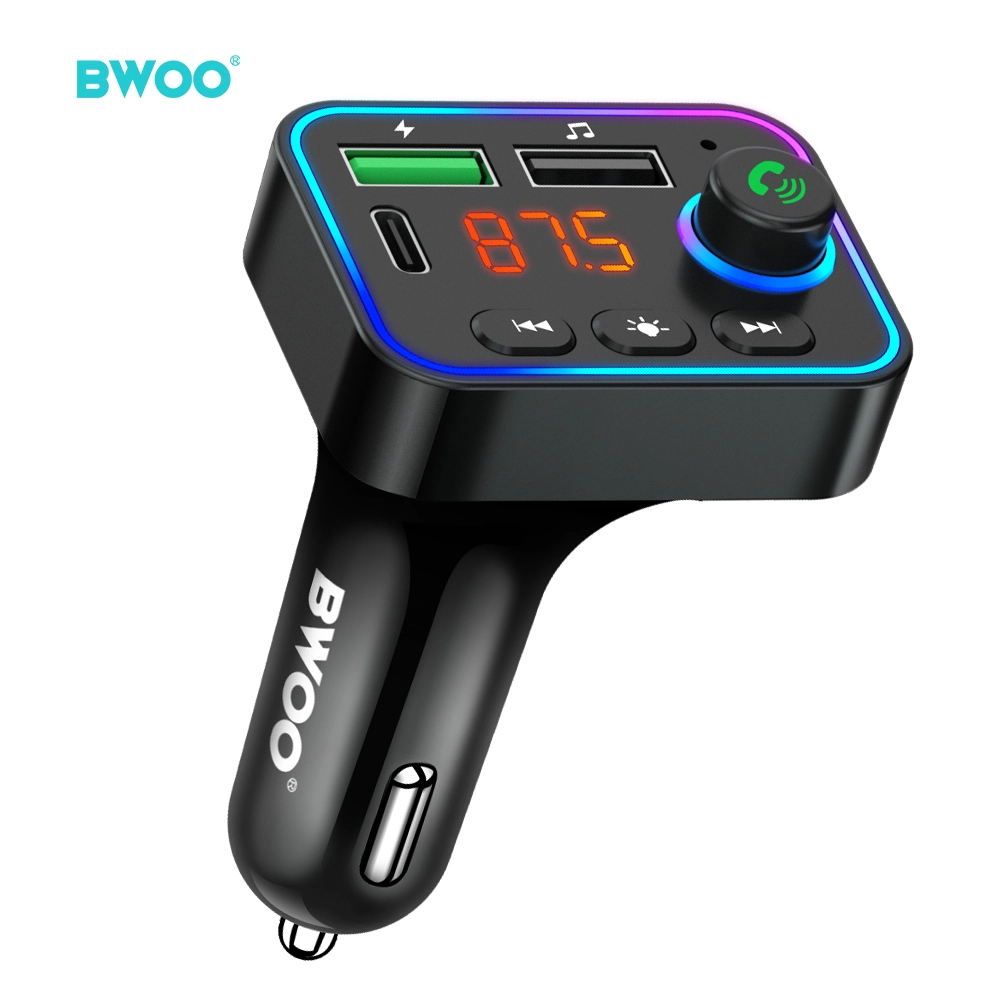
BWOO BO-CC101 Bluetooth 5.3 FM Transmitter Car Charger, 3-Port USB-A & USB-C Charging, Hands-Free Calling | Wholesale OEM/ODM
-
1.3-Port Multi-Device Charging – Features USB-A and USB-C charging interfaces, allowing users to charge compatible smartphones, tablets, and other USB-powered devices conveniently while driving.
-
2.15W USB-C Charging Output – Delivers up to 15W output through the USB-C port for convenient everyday charging of compatible mobile devices.
-
3.Bluetooth 5.3 Wireless Connectivity – Supports stable wireless connection with compatible smartphones, enabling convenient music and audio streaming through the vehicle's audio system.
-
4.FM Transmitter Function – Transmits smartphone audio to compatible car FM frequencies, allowing users to enjoy music and podcasts through their vehicle speakers.
-
5.Hands-Free Calling & Music Control – Features built-in control buttons and a microphone for answering calls, selecting tracks, and managing music while driving.
-
6.USB Flash Drive Music Playback – Supports U-disk playback with MP3 and WAV audio formats, providing an additional music source beyond Bluetooth streaming.
-
7.LED Battery Voltage Display – Features a digital LED voltage display that helps drivers monitor vehicle battery voltage in real time.
-
8.12V–24V Wide Voltage Compatibility – Supports 12V–24V vehicle power systems, making it suitable for compatible cars, trucks, and other vehicles.
-
9.Comprehensive Safety Protection – Designed with protection against voltage abnormalities, short circuits, and overheating to help safeguard connected devices and vehicle electronics.
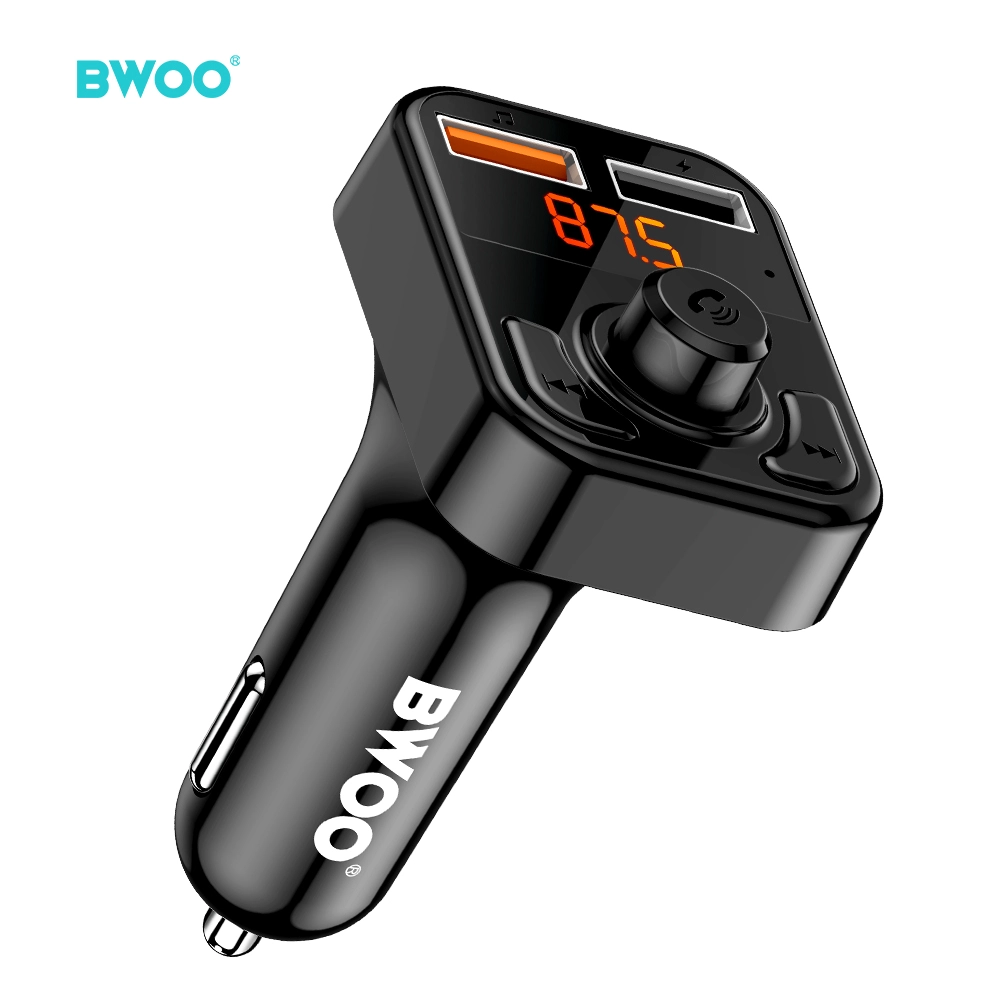
BWOO BO-CC103 Bluetooth 5.3 FM Transmitter Car Charger with Dual USB-A Ports & Hands-Free Calling | Wholesale OEM/ODM
-
1.Dual USB-A Charging Ports – Features two USB-A ports for convenient in-car charging of compatible smartphones and other USB-powered devices.
-
2.Bluetooth 5.3 Wireless Connectivity – Provides wireless connectivity between your smartphone and car audio system for convenient music streaming and audio playback.
-
3.FM Transmitter Function – Transmits wireless audio to compatible car FM frequencies, allowing users to enjoy music and podcasts through their vehicle's audio system.
-
4.Hands-Free Calling with Noise Cancellation – Supports convenient hands-free calls with simple button controls and noise-cancellation functionality for clearer conversations while driving.
-
5.USB Flash Drive & TF Card Playback – Supports music playback from USB flash drives and TF cards, offering multiple audio entertainment options.
-
6.Multiple Audio Format Support – Supports MP3 and WAV audio files for convenient music playback.
-
7.LED Car Battery Voltage Display – Features a built-in LED display that helps drivers monitor their vehicle's battery voltage.
-
8.12V–24V Universal Voltage Input – Compatible with vehicles using 12V or 24V power systems, making it suitable for a variety of cars and other compatible vehicles.
-
9.Multiple Safety Protection Features – Designed with protection against overcharging, overheating, and short circuits to support safer everyday use.
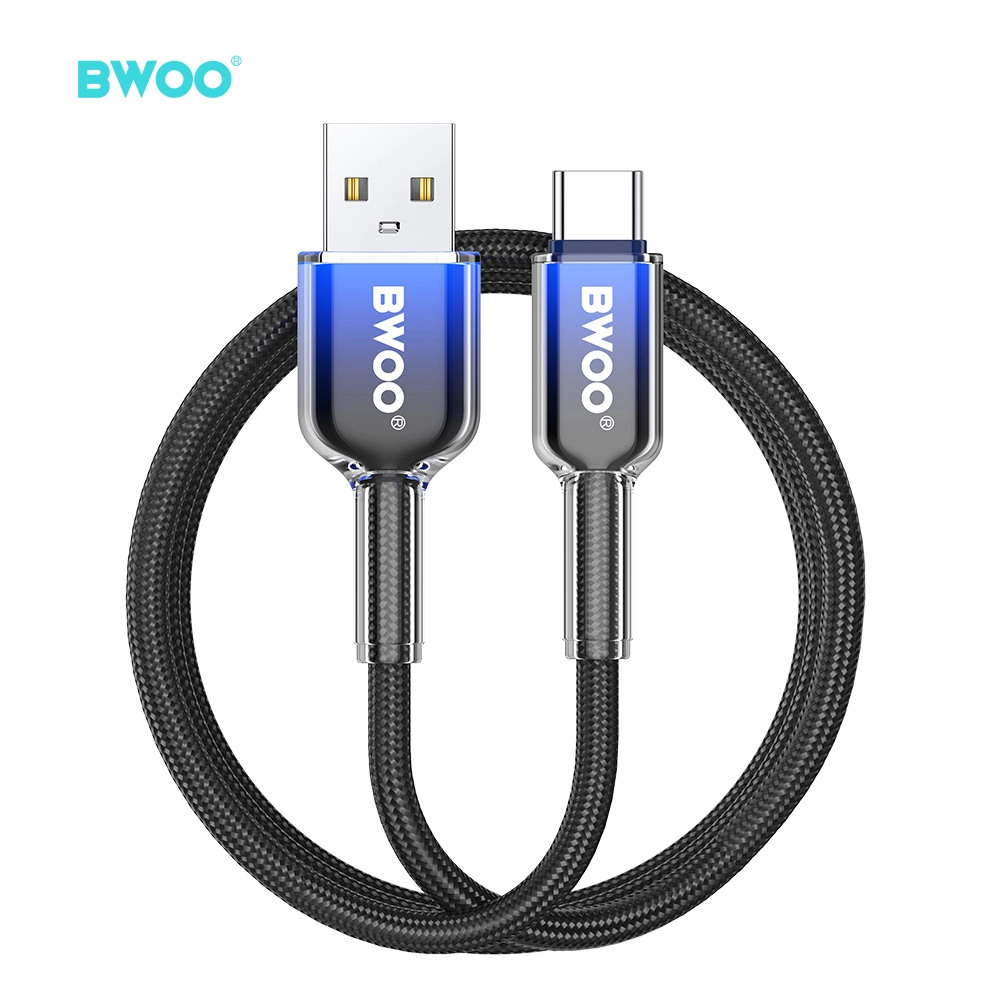
BWOO 3A USB-C Braided Cable with Extended Connector Tail | Wholesale & OEM/ODM
Charging Rating 3A: Designed for compatible devices and charging equipment. Actual output depends on the cable rating, charger, device and supported protocol.
Connector Type USB-C: Offers a defined connector configuration for buyers sourcing cables for compatible device ecosystems.
Nylon-Braided Cable Construction: The braided exterior gives the cable a textured finish for everyday handling and retail presentation.
Extended Connector Tail: The extended connector-tail design is intended to provide added coverage around the plug junction.
Listed Cable Length 1m: The supplied specification lists 1m; alternative lengths can be discussed subject to model and MOQ.
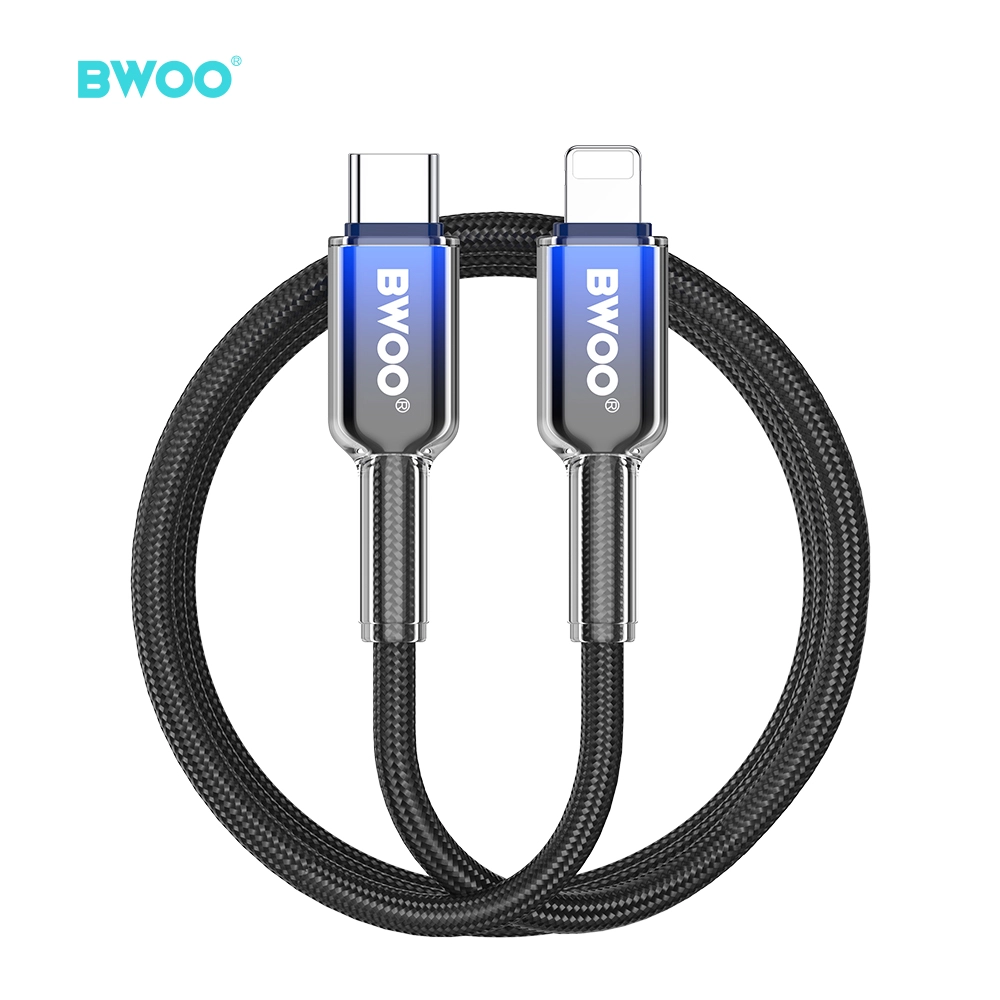
BWOO 27W Lightning Braided Cable with Extended Connector Tail | Wholesale & OEM/ODM
Charging Rating 27W: Designed for compatible devices and charging equipment. Actual output depends on the cable rating, charger, device and supported protocol.
Connector Type Lightning: Offers a defined connector configuration for buyers sourcing cables for compatible device ecosystems.
Nylon-Braided Cable Construction: The braided exterior gives the cable a textured finish for everyday handling and retail presentation.
Extended Connector Tail: The extended connector-tail design is intended to provide added coverage around the plug junction.
Listed Cable Length 1m: The supplied specification lists 1m; alternative lengths can be discussed subject to model and MOQ.
Have a question or want to learn more?
We’re here to help.
Follow us on social media
Empowering global smart living with certified quality and 20 years of manufacturing excellence.
Office
Rm 01, 10/F Mira Place Tower A, 132 Nathan Road, TST Kowloon, Hong Kong
Contact Information
SKYPE : +86 138 0243 8025
WhatsApp: +86 138 0243 8025
E-mail: Sales_A@gzbwoo.com
Social media
© 2026 BWOO. All Rights Reserved.
bwoo_global
BWOO Global
BWOO
Whatsapp: +8613802438025
BWOO HK TECH LIMITED