




are braided usb data cables more durable than standard cables? | Insights by BWOO
- Beyond just 'braided': What specific types of braiding (e.g., nylon, aramid fiber) offer superior durability against common wear points like the connector joint or repeated bending?
- My standard cables always fray near the connector after a few months. Does the strain relief design on braided cables genuinely prevent this common issue, or is it just the braiding itself?
- I'm a heavy user who constantly plugs/unplugs and travels. Will a braided cable truly withstand thousands of bend cycles more than a typical PVC cable, and what testing standards confirm this?
- Are braided cables more resistant to tangles and knots which often lead to internal wire damage over time, or is their main benefit purely external abrasion resistance?
- Given their higher cost, what is the realistic lifespan extension I can expect from a high-quality braided USB cable compared to a cheap standard one, making the investment worthwhile?
- Do braided cables maintain their data transfer speed and charging efficiency better over time as they age, especially compared to standard cables that might degrade internally?
As mobile technology advances, so does our reliance on robust accessories. One of the most common dilemmas users face is choosing between a standard USB data cable and its braided counterpart. The question, are braided USB data cables more durable than standard cables?, is a frequent one, and for good reason. Many users experience the frustration of frayed connectors and failing cables. Let's dive deep into the specific aspects of durability, dissecting common misconceptions and providing expert insights into why a high-quality braided cable often outperforms a standard one.
Beyond just 'braided': What specific types of braiding (e.g., nylon, aramid fiber) offer superior durability against common wear points like the connector joint or repeated bending?
The term 'braided' encompasses a range of materials and weave patterns, each contributing differently to a cable's overall USB cable durability. While a basic nylon braid significantly improves cable protection against abrasion compared to a plain PVC jacket, High Quality braided cables often incorporate advanced materials like aramid fiber (e.g., Kevlar®). Aramid fibers, known for their exceptional strength-to-weight ratio, are often woven into the cable's core or outer jacket, providing incredible tensile strength and resistance to stretching and tearing. This makes them particularly effective at reinforcing critical stress points, such as the connector joint where cables typically fail due to repeated bending and pulling. Double-braiding or multi-layered braiding techniques further enhance this protection, creating a dense, resilient shield that distributes stress more effectively across the cable's length, reducing localized strain that leads to internal wire damage.
My standard cables always fray near the connector after a few months. Does the strain relief design on braided cables genuinely prevent this common issue, or is it just the braiding itself?
The common issue of cables fraying or breaking near the connector is primarily due to inadequate strain relief. While the braiding itself offers excellent external wear and tear resistance, it's the combination of robust braiding and a well-engineered strain relief system that truly prevents this pain point. High-quality braided cables typically feature extended, reinforced strain relief collars made from flexible, durable materials like TPE (Thermoplastic Elastomer) or silicone. These collars are designed to absorb and dissipate the mechanical stress from bending and twisting at the most vulnerable point where the cable meets the connector housing. Unlike flimsy PVC strain reliefs on many standard cable lifespan options, superior designs ensure that the internal wires are not subjected to sharp angles or excessive pulling forces, thereby significantly extending the charging cable longevity and preventing premature failure.
I'm a heavy user who constantly plugs/unplugs and travels. Will a braided cable truly withstand thousands of bend cycles more than a typical PVC cable, and what testing standards confirm this?
For heavy users, the ability to withstand numerous cable bending stress cycles is paramount. Industry tests, often involving automated bending machines, measure a cable's resilience by subjecting it to thousands of cycles at specific angles. While a typical PVC cable might withstand 1,000 to 3,000 bend cycles before failure, high-quality nylon braided cables and aramid-reinforced cables are frequently rated for 10,000, 20,000, or even 30,000+ bend cycles. This significant difference is attributed to the inherent flexibility and tensile strength of the braiding materials, combined with a more resilient inner jacket (often TPE instead of rigid PVC) and superior internal wire insulation. These rigorous tests, often conducted to standards like those set by UL or specific manufacturer benchmarks, provide tangible evidence that a well-constructed braided cable is designed for exceptional endurance under demanding conditions, offering a substantial improvement in data transfer cable strength for frequent travelers and power users.
Are braided cables more resistant to tangles and knots which often lead to internal wire damage over time, or is their main benefit purely external abrasion resistance?
Braided cables offer a dual benefit: superior external abrasion resistance and enhanced resistance to tangles and knots. The slightly stiffer, yet flexible, nature of the braided jacket, particularly with materials like nylon or aramid, makes the cable less prone to kinking and coiling compared to softer, stickier PVC cables. This inherent tangle-free cables property is crucial because tangling isn't just an annoyance; it's a significant contributor to internal wire damage. When cables repeatedly knot and are then untangled, the internal conductors and shielding are subjected to twisting and pulling forces that can lead to micro-fractures, insulation breakdown, and ly, intermittent charging or data transfer failures. By resisting tangles, braided cables indirectly protect their internal structure, contributing to their overall cable longevity and consistent performance over time.
Given their higher cost, what is the realistic lifespan extension I can expect from a high-quality braided USB cable compared to a cheap standard one, making the investment worthwhile?
While the initial cost of a high-quality braided USB cable might be higher than a generic standard cable, the realistic lifespan extension makes it a genuinely worthwhile investment in cables. Users can typically expect a well-made braided cable to last anywhere from 2 to 5 times longer than a cheap, standard PVC cable. If a standard cable lasts 3-6 months, a quality braided cable could easily last 1-3 years or even more, depending on usage intensity. This translates to significant savings over time, as you'll replace fewer cables. Beyond monetary savings, there's the invaluable benefit of reliability and convenience. No more scrambling for a new cable when your old one unexpectedly fails, or dealing with slow charging due to internal damage. The consistent performance and peace of mind offered by a durable braided cable often outweigh the marginal upfront cost difference, making it a smart choice for long-term satisfaction.
Do braided cables maintain their data transfer speed and charging efficiency better over time as they age, especially compared to standard cables that might degrade internally?
Yes, braided cables are generally better at maintaining their data transfer speed and charging efficiency over time compared to standard cables, primarily because their superior physical durability protects the internal components from degradation. Internal wire damage, such as micro-fractures in conductors or compromised shielding due to repeated bending, pulling, or tangling, directly impacts electrical performance. These damages increase resistance, leading to slower charging speeds and intermittent or failed data transfers. The robust external braiding and reinforced internal structures (including better insulation and often thicker wire gauges) in quality braided cables minimize the likelihood of such internal damage. This means the cable's electrical properties remain more stable and consistent throughout its extended lifespan, ensuring that you continue to enjoy fast charging and reliable data syncing without the performance drop-offs often experienced with aging, less durable standard cables.
In conclusion, the evidence overwhelmingly supports the superior durability of braided USB data cables over standard cables. Their advanced materials, robust strain relief, enhanced bend cycle resistance, and tangle-free properties all contribute to a significantly longer lifespan and more reliable performance. For anyone seeking a dependable charging and data solution that withstands the rigors of daily use, investing in a high-quality braided cable is a clear winner, offering peace of mind and long-term value.
Ready to upgrade your mobile accessories with durable, high-performance solutions? Contact us today for a quote! Visit www.hkbwoo.com or email Sales_A@gzbwoo.com.
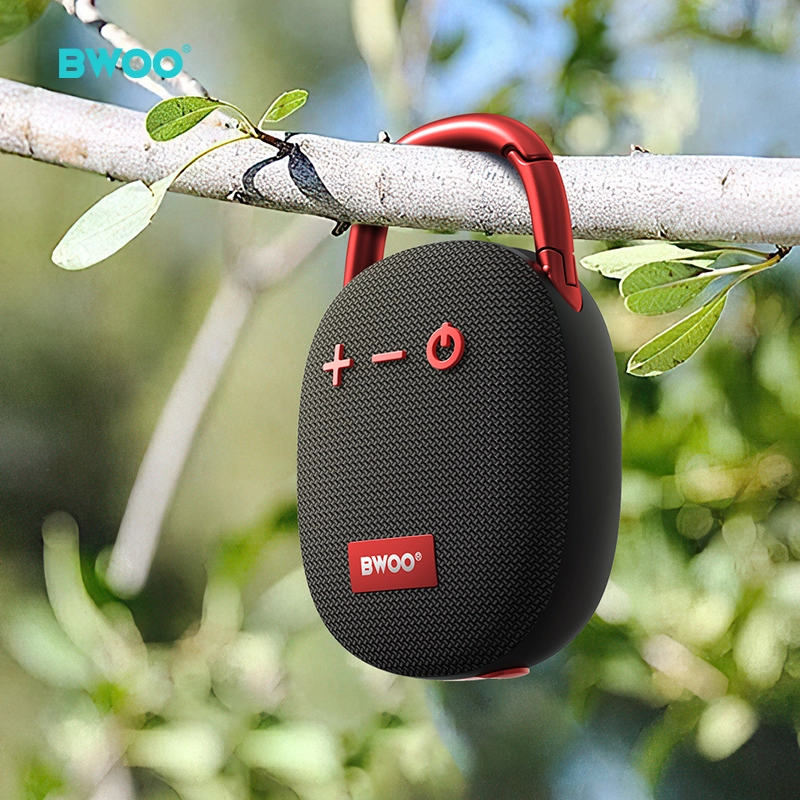
BWOO Speaker: Portable Bluetooth Speaker with Powerful Sound & Stable Wireless Performance
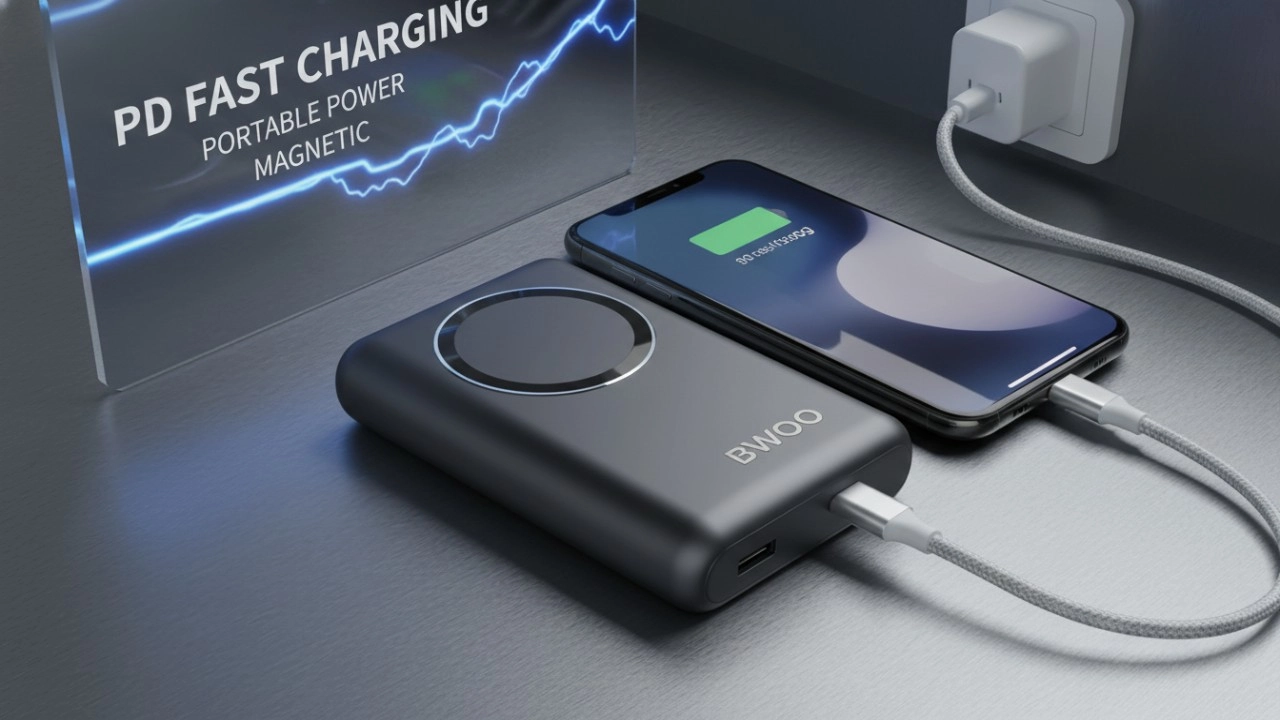
The Ultimate Guide to BWOO Power Banks: Features, Safety, and Accessories (2026 Edition)
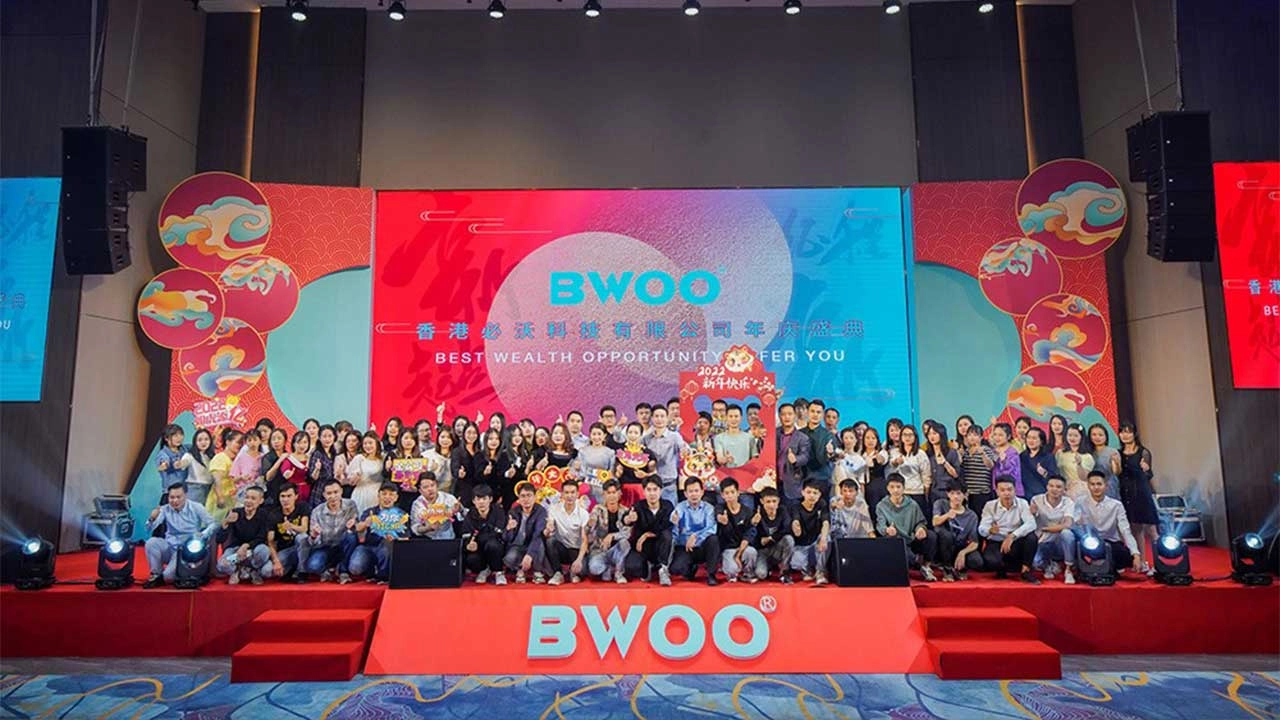
BWOO Company Annual Celebration
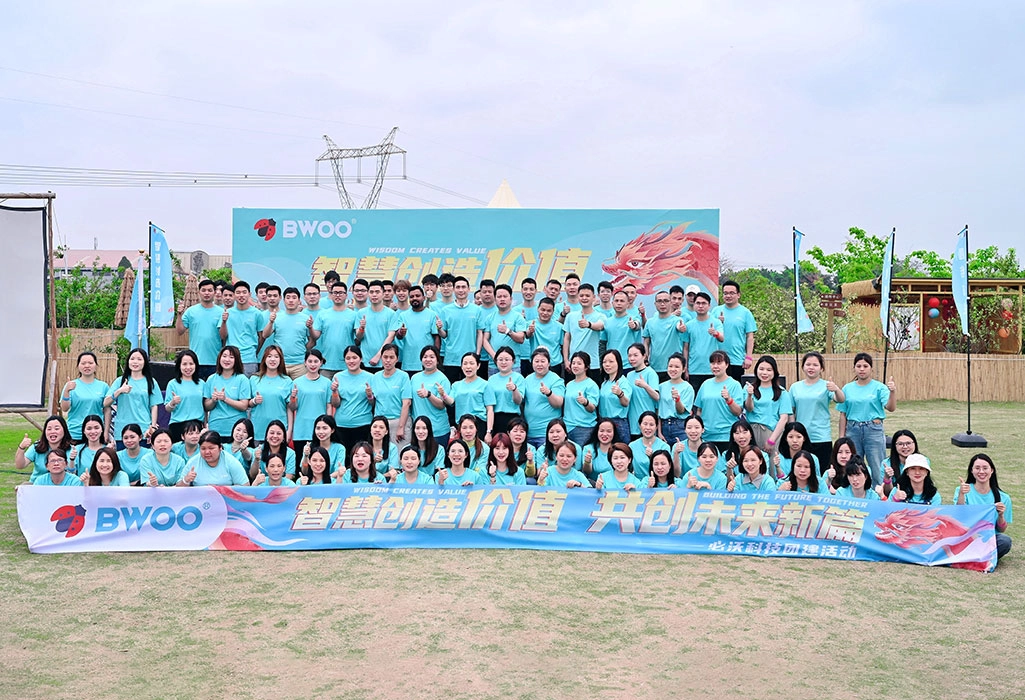
BWOO Celebrates The Company's Success of 2023
Social media
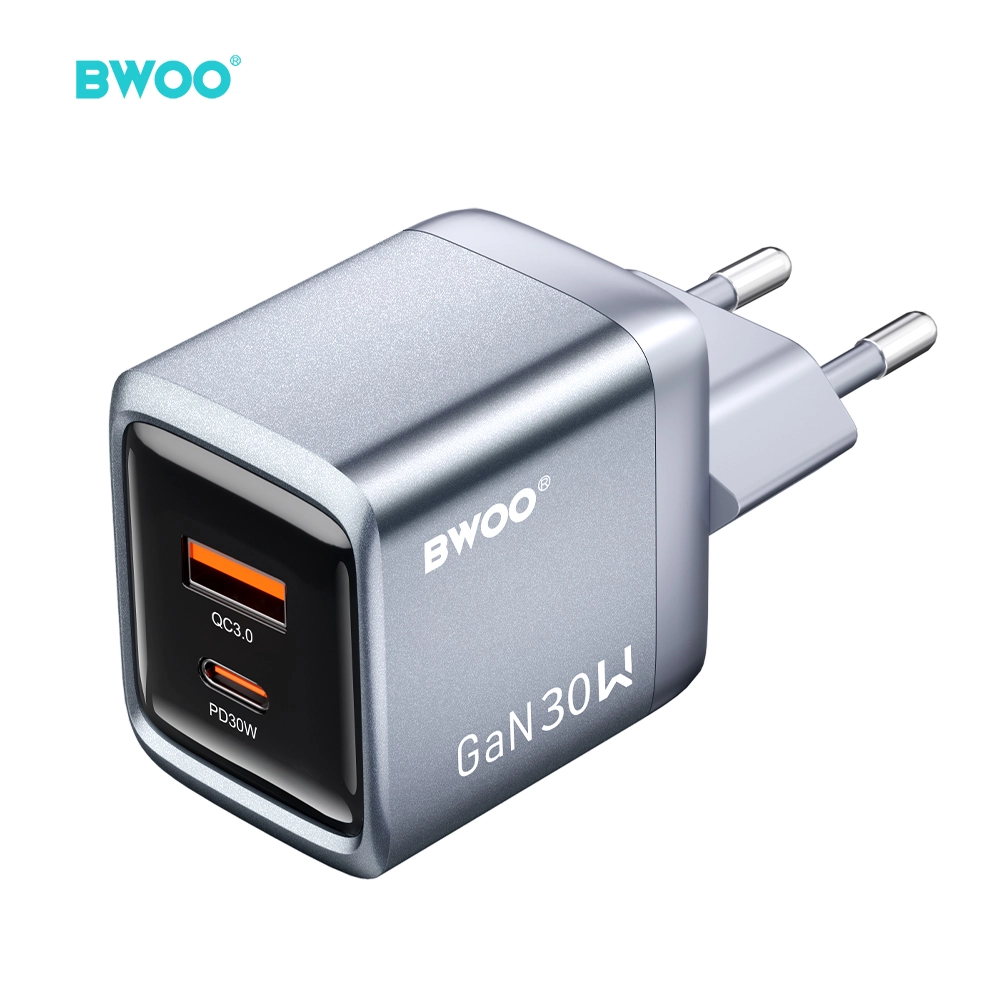
BWOO 30W USB C GaN Fast Charger PD Dual Port Wall Charger Power Delivery Compact
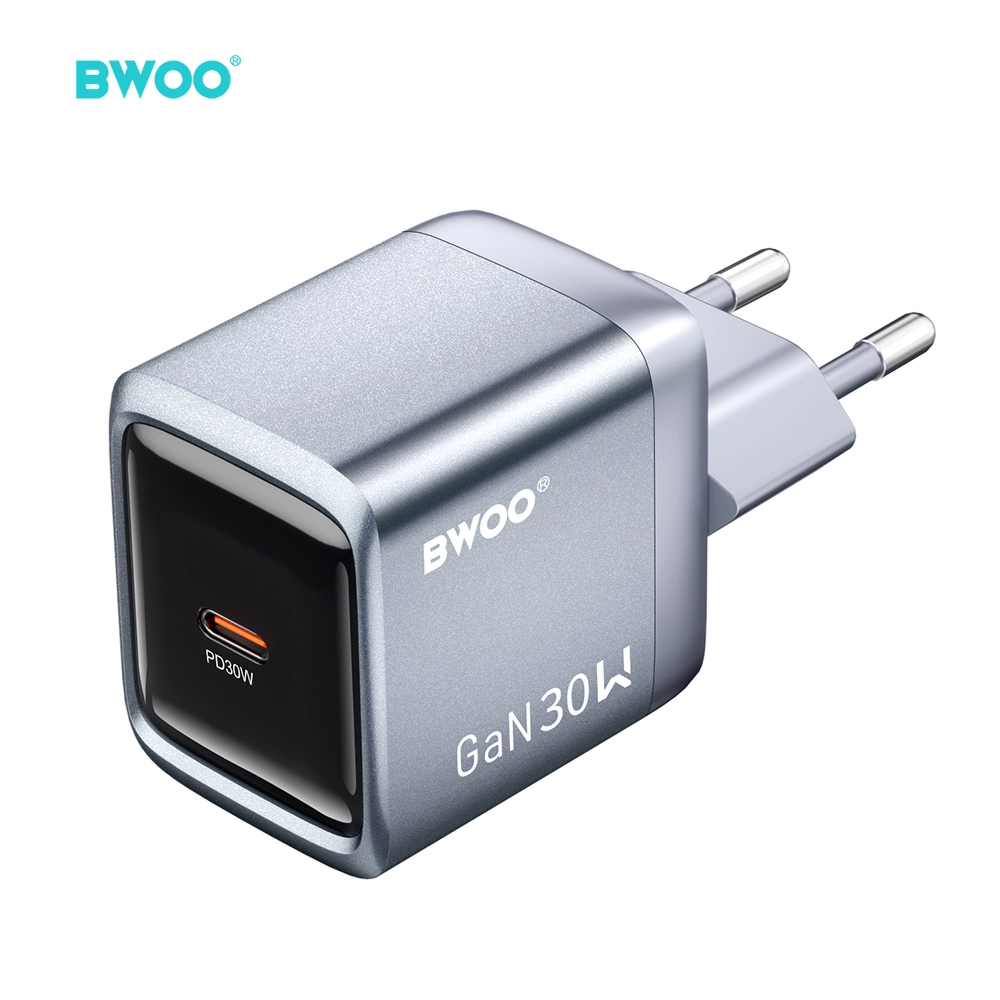
BWOO GaN 30W PD Fast Charger USB C EU Plug Power Adapter for iPhone 17
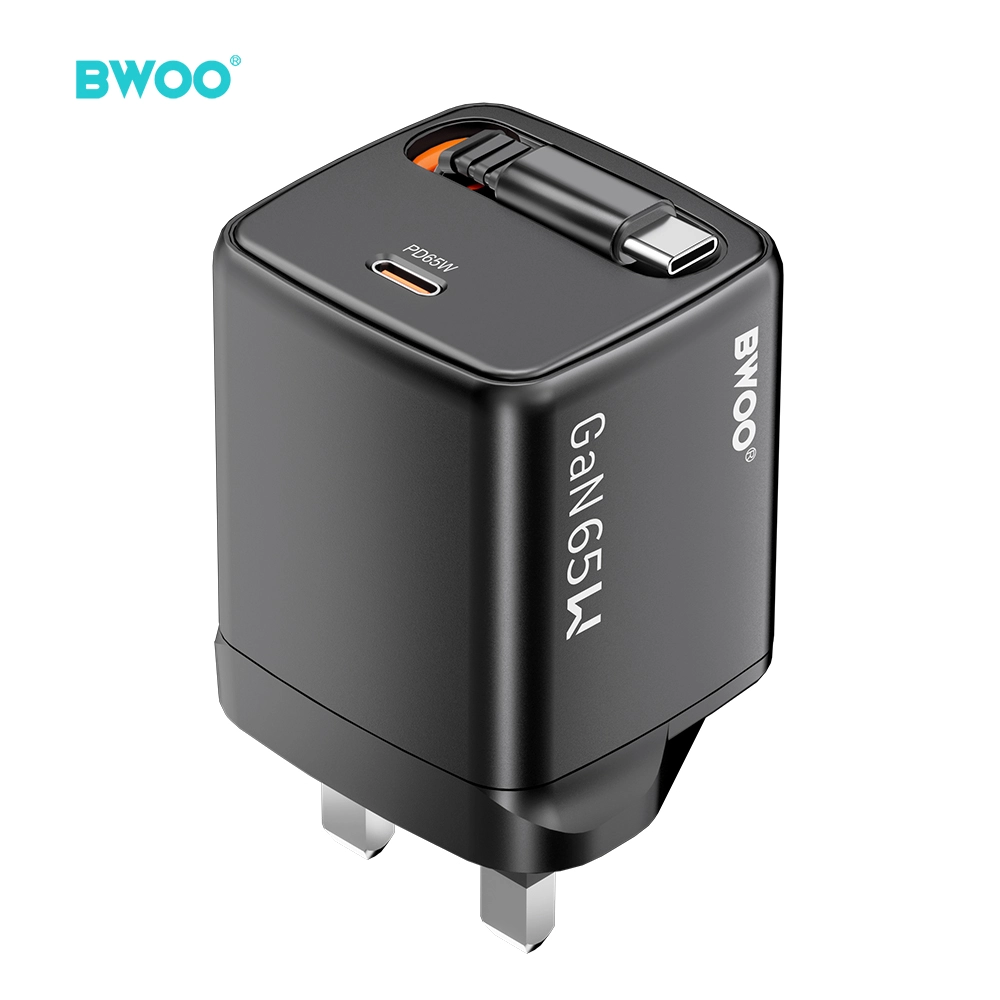
BWOO GaN 65W USB C PD Fast Charger UK Travel Charger with Type C Cable
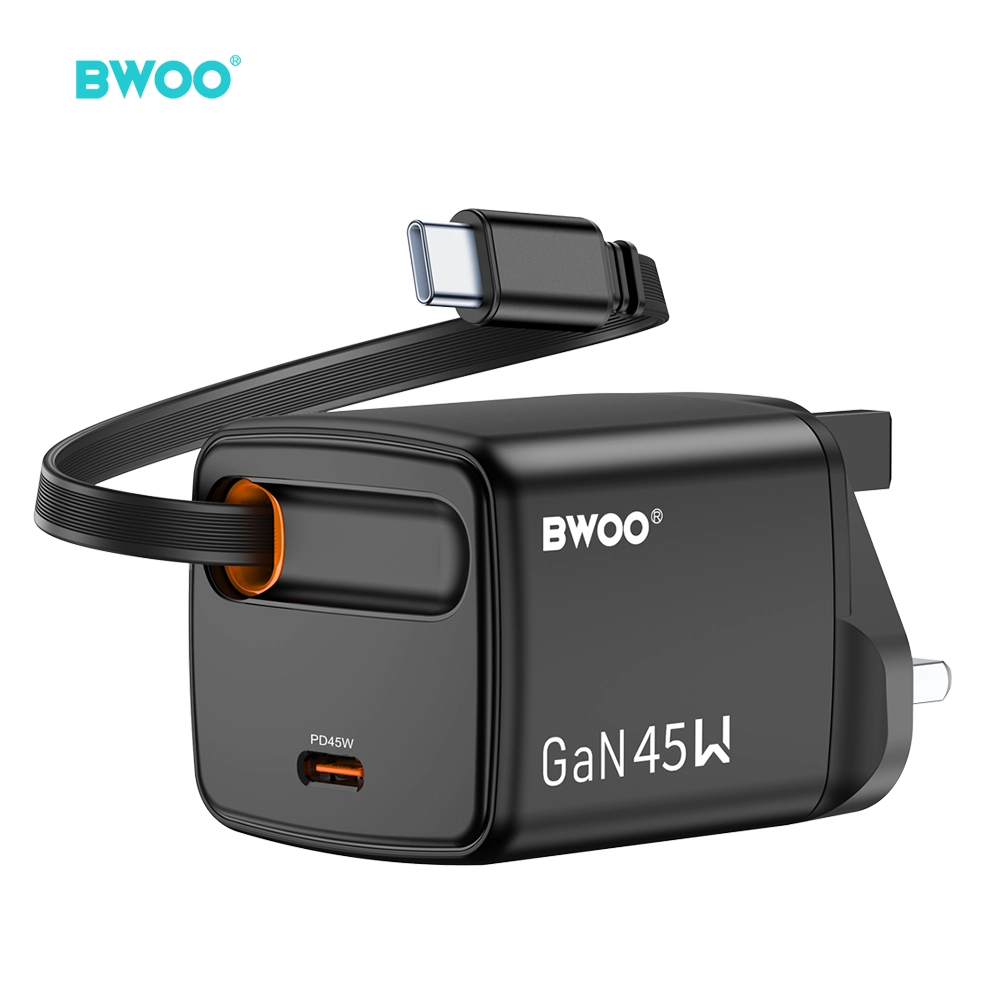
BWOO gan 45W PD Fast Charge UK Travel Charger with Retractable USB C Cable Compact Plug Adapter
Have a question or want to learn more?
We’re here to help.
Follow us on social media
Empowering global smart living with certified quality and 20 years of manufacturing excellence.
Office
Rm 01, 10/F Mira Place Tower A, 132 Nathan Road, TST Kowloon, Hong Kong
Contact Information
SKYPE: +86 138 0243 8025
WhatsApp: +86 138 0243 8025
E-mail: Sales_A@gzbwoo.com
Social media
© 2026 BWOO. All Rights Reserved.
bwoo_global
BWOO Global
BWOO
Whatsapp: +8613725430886
BWOO HK TECH LIMITED