






Which Inspection Steps Catch Fake MFi Chips in Bulk Shipments?
Quick Answer
Fake MFi chips are best identified through layered receiving controls: verify supplier authorization and lot documents, apply risk-based sampling, run functional and electrical tests, and escalate anomalies for authenticated laboratory analysis. Buyers of wholesale mfi certified lightning cables should assess traceability, sample integrity, test scope, and claim procedures. Final solutions depend on the project, shipment risk, and available testing conditions.
How BWOO Supports Projects
BWOO supports mobile phone accessories partners through precision manufacturing, an AI-driven quality control system, ISO-9001 operating controls, and documented product compliance covering its MFi-certified data cable portfolio. These capabilities help buyers establish a repeatable review process rather than relying only on packaging or supplier declarations.
Before quotation, buyers should confirm connector type, cable length, charging and data requirements, target market, required documentation, sampling level, and acceptance criteria. MOQ, lead time, testing scope, and quotation must be confirmed per project, because shipment configuration and market requirements can change the inspection plan.
Discuss Your Bulk MFi Chip Inspection Requirements
Send the target market, cable model, expected order quantity, delivery schedule, required charging and data performance, current supplier documents, and preferred inspection standard. BWOO can discuss suitable product options, pre-shipment sample steps, documentation review, and escalation routes for nonconforming lots. Start a project discussion at www.hkbwoo.com or Sales_A@gzbwoo.com.
FAQ
How can receiving teams verify MFi authorization before unloading cartons?
Receiving teams should compare the supplier, product family, and shipment documents against the purchasing record before accepting the lot. MFi participation and product authorization are controlled through Apple’s licensing ecosystem, so a screenshot, logo, or certificate copied from another product is not sufficient evidence. Ask the seller to provide current, product-specific documentation through an auditable business channel, then record carton identifiers, purchase-order references, and lot numbers. Do not treat a serial number printed on packaging as independent proof; counterfeiters can duplicate numbering formats.
Which cable tests expose counterfeit authentication chips without destructive sampling?
Non-destructive screening can identify inconsistent behavior, but it cannot authenticate every chip. Test a defined sample on compatible Apple devices and approved test equipment for accessory recognition, charging behavior, data transfer, connector fit, and abnormal disconnects. Compare results across samples and production lots, while controlling the host device, charger, cable length, and test procedure. A cable that charges is not automatically MFi compliant: power delivery and authentication are separate considerations. If results conflict with the supplier’s documentation, quarantine the lot and use an authorized or suitably accredited laboratory for deeper analysis.
Why do serial numbers fail as proof of genuine MFi components?
Serial numbers are useful for traceability but weak as standalone authenticity evidence because labels, databases, and document images can be copied or reassigned. A credible review links the product identity to the licensed supplier, approved design information, production lot, inspection record, and physical sample. Buyers should check whether the number belongs to the exact model and revision being shipped, not merely to the vendor or brand. Evidence should be preserved before relabeling or repacking, including photographs, carton marks, invoices, and the chain of custody for retained samples.
What sample size suits risk-based inspection of imported Lightning cables?
There is no universal sample count for every shipment. Use a recognized acceptance-sampling framework, such as ANSI/ASQ Z1.4, only after defining lot size, inspection level, AQL, defect classes, and buyer risk tolerance. Authentication-chip concerns may justify tighter controls than cosmetic defects, particularly for a new supplier, changed factory, unexplained price reduction, mixed lot, or previous failure. Randomly select cartons and units across pallets rather than taking convenient samples from one carton. Critical failures should trigger lot quarantine and an expanded or independent review rather than being averaged away.
How should buyers document failed chip inspections for supplier claims?
Create a controlled nonconformance report linking the purchase order, supplier, lot, carton, sample number, inspection date, equipment, software or device used, operator, and exact failure condition. Photograph labels and connector details before testing, retain failed and comparison samples, and preserve the original packaging. Record the test method and environmental conditions so the result is reproducible. Avoid making a counterfeit allegation from a single unexplained symptom; describe the observed failure and request corrective-action evidence. Contract terms should define notification windows, replacement or credit procedures, reinspection rights, and responsibility for third-party testing.
Which packaging and firmware clues support a laboratory authenticity review?
Packaging clues can support triage but cannot prove chip authenticity. Review spelling, regulatory marks, model references, barcode consistency, print quality, seal condition, country-of-origin information, and differences between cartons in the same lot. Compare the cable’s behavior and accessory identification with the stated model and revision. Firmware or device messages should be captured exactly, including host model and operating-system version, because compatibility warnings can have causes unrelated to counterfeit silicon. Provide the laboratory with unopened and tested samples, purchase records, supplier declarations, photographs, and a clear chain of custody so physical findings can be matched to the shipment.
How to Choose a Mobile Phone Accessories Wholesale Supplier
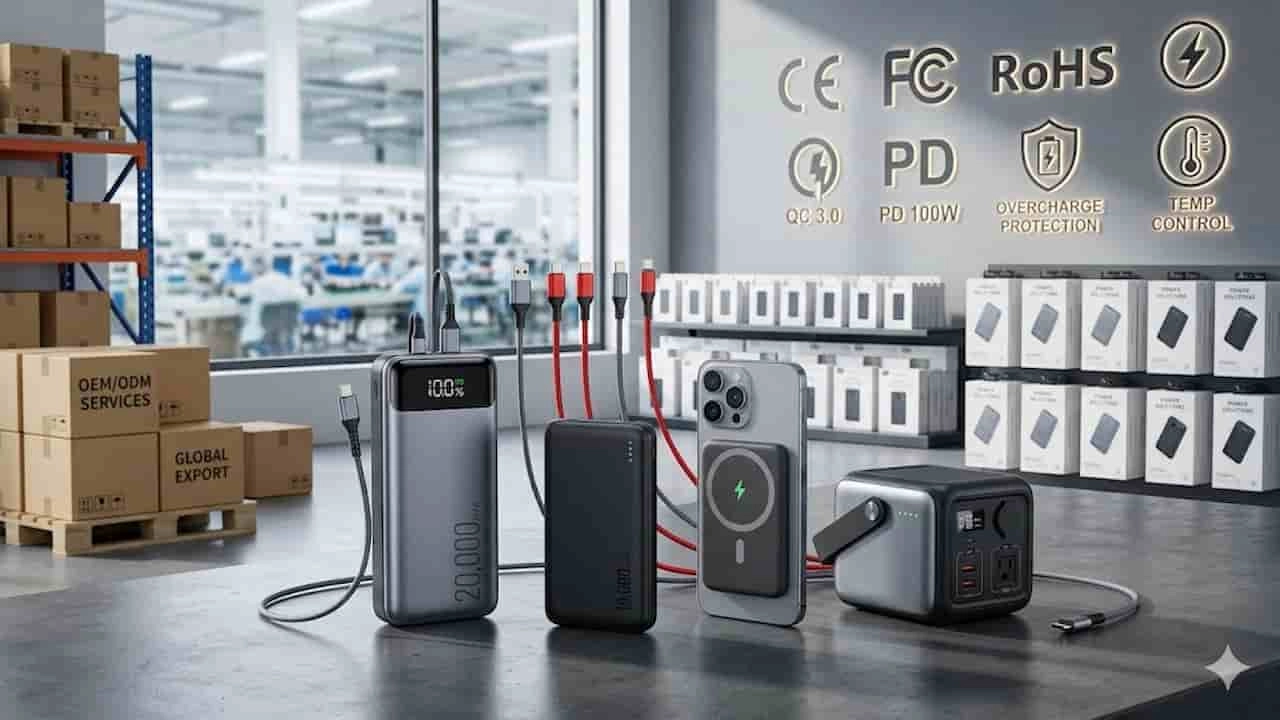
Top 10 Proven Strategies to Choose the Best power banks suppliers for Business Growth
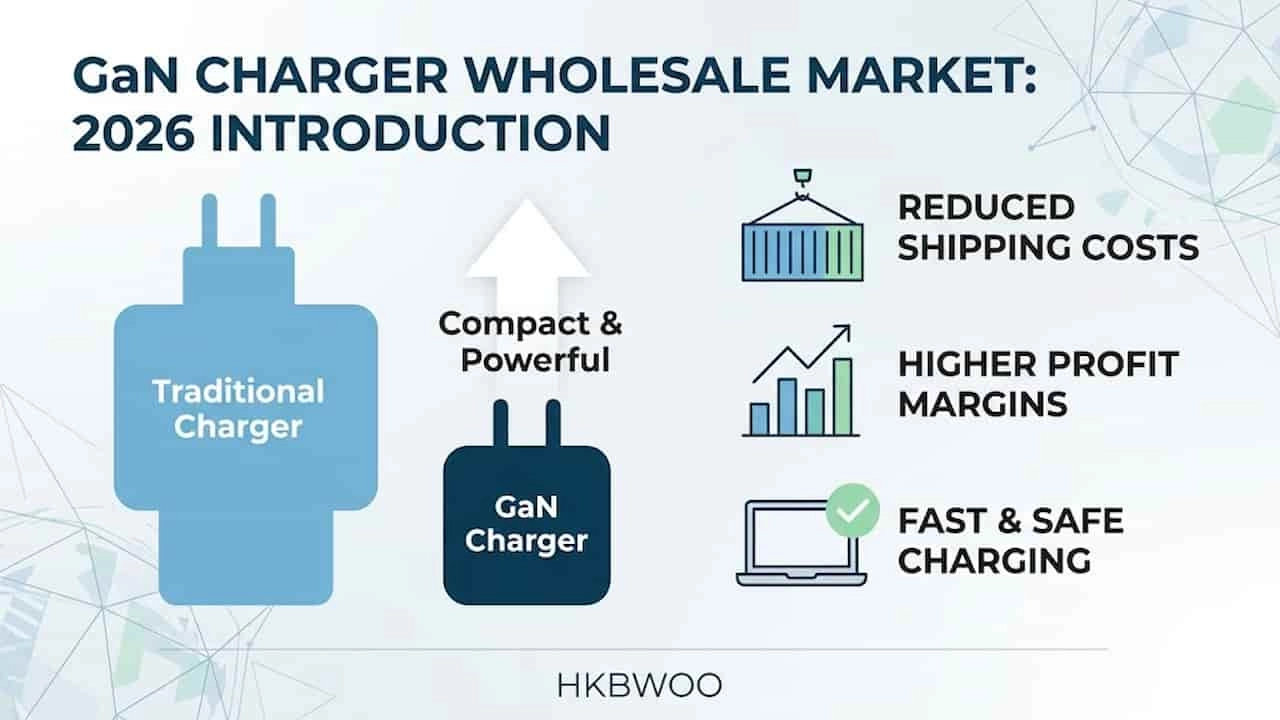
GaN Charger vs Traditional Charger: 7 Powerful Reasons Why GaN charger wholesale Wins

How to Choose a Reliable Fast Charging Supplier for Your Business
Social media
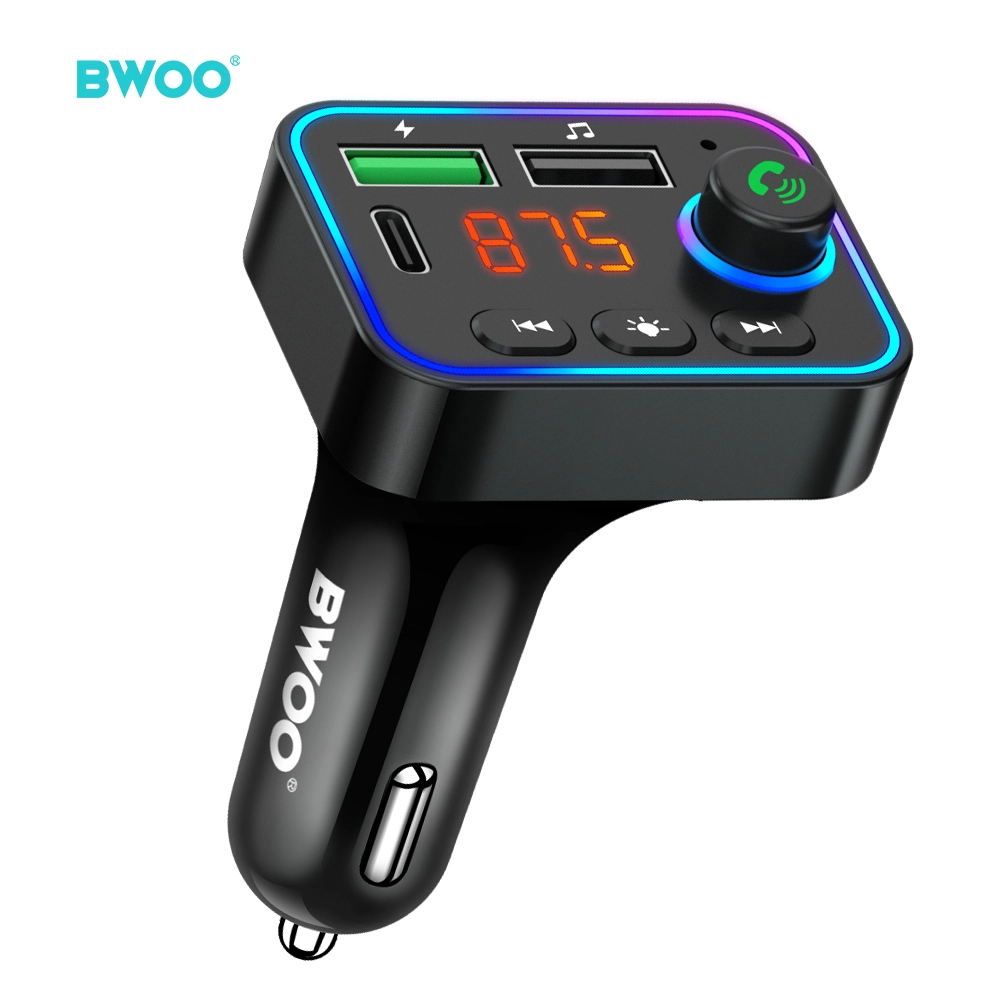
BWOO BO-CC101 Bluetooth 5.3 FM Transmitter Car Charger, 3-Port USB-A & USB-C Charging, Hands-Free Calling | Wholesale OEM/ODM
-
1.3-Port Multi-Device Charging – Features USB-A and USB-C charging interfaces, allowing users to charge compatible smartphones, tablets, and other USB-powered devices conveniently while driving.
-
2.15W USB-C Charging Output – Delivers up to 15W output through the USB-C port for convenient everyday charging of compatible mobile devices.
-
3.Bluetooth 5.3 Wireless Connectivity – Supports stable wireless connection with compatible smartphones, enabling convenient music and audio streaming through the vehicle's audio system.
-
4.FM Transmitter Function – Transmits smartphone audio to compatible car FM frequencies, allowing users to enjoy music and podcasts through their vehicle speakers.
-
5.Hands-Free Calling & Music Control – Features built-in control buttons and a microphone for answering calls, selecting tracks, and managing music while driving.
-
6.USB Flash Drive Music Playback – Supports U-disk playback with MP3 and WAV audio formats, providing an additional music source beyond Bluetooth streaming.
-
7.LED Battery Voltage Display – Features a digital LED voltage display that helps drivers monitor vehicle battery voltage in real time.
-
8.12V–24V Wide Voltage Compatibility – Supports 12V–24V vehicle power systems, making it suitable for compatible cars, trucks, and other vehicles.
-
9.Comprehensive Safety Protection – Designed with protection against voltage abnormalities, short circuits, and overheating to help safeguard connected devices and vehicle electronics.
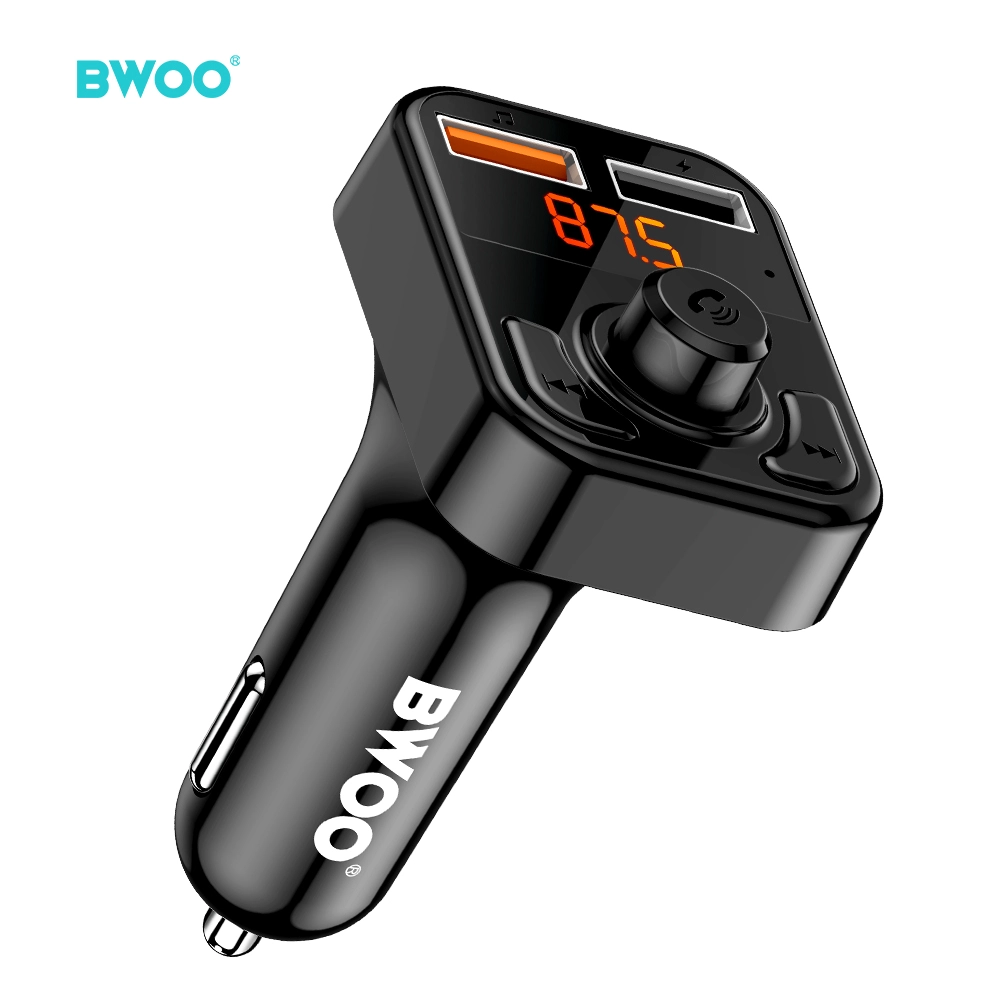
BWOO BO-CC103 Bluetooth 5.3 FM Transmitter Car Charger with Dual USB-A Ports & Hands-Free Calling | Wholesale OEM/ODM
-
1.Dual USB-A Charging Ports – Features two USB-A ports for convenient in-car charging of compatible smartphones and other USB-powered devices.
-
2.Bluetooth 5.3 Wireless Connectivity – Provides wireless connectivity between your smartphone and car audio system for convenient music streaming and audio playback.
-
3.FM Transmitter Function – Transmits wireless audio to compatible car FM frequencies, allowing users to enjoy music and podcasts through their vehicle's audio system.
-
4.Hands-Free Calling with Noise Cancellation – Supports convenient hands-free calls with simple button controls and noise-cancellation functionality for clearer conversations while driving.
-
5.USB Flash Drive & TF Card Playback – Supports music playback from USB flash drives and TF cards, offering multiple audio entertainment options.
-
6.Multiple Audio Format Support – Supports MP3 and WAV audio files for convenient music playback.
-
7.LED Car Battery Voltage Display – Features a built-in LED display that helps drivers monitor their vehicle's battery voltage.
-
8.12V–24V Universal Voltage Input – Compatible with vehicles using 12V or 24V power systems, making it suitable for a variety of cars and other compatible vehicles.
-
9.Multiple Safety Protection Features – Designed with protection against overcharging, overheating, and short circuits to support safer everyday use.
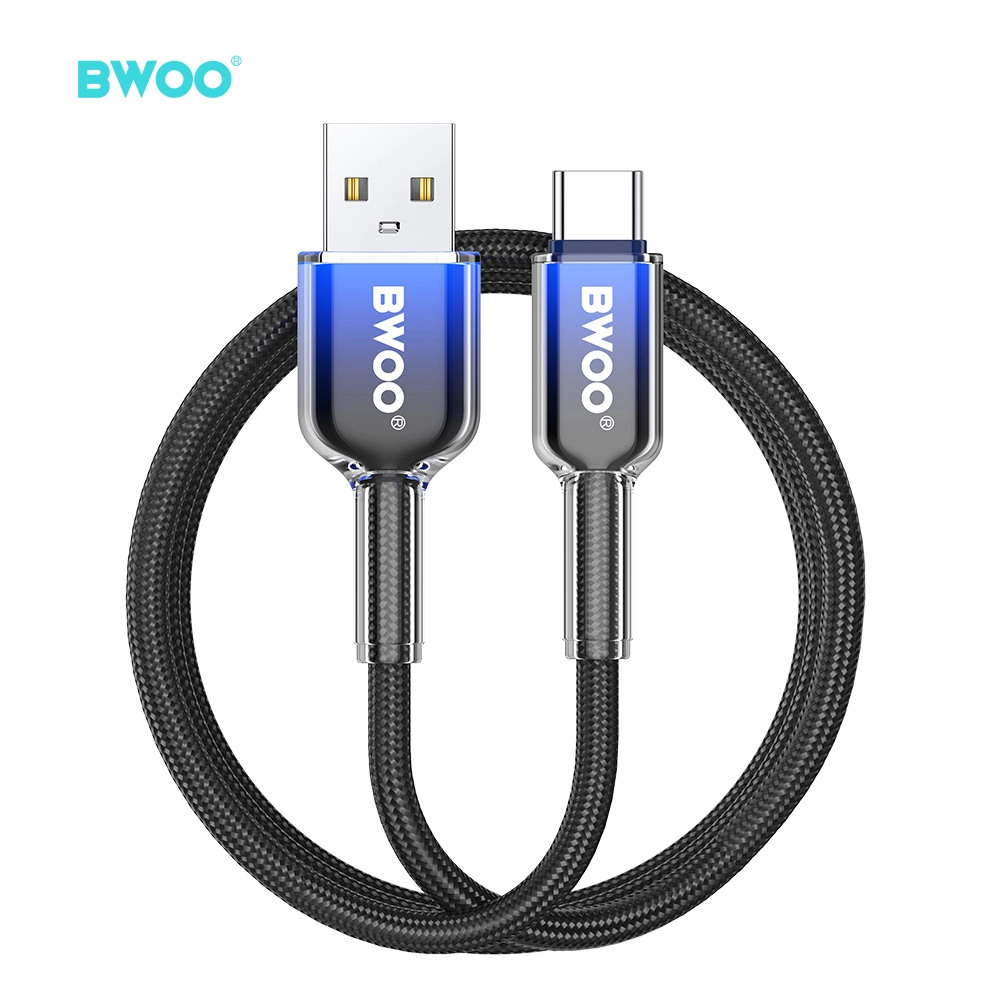
BWOO 3A USB-C Braided Cable with Extended Connector Tail | Wholesale & OEM/ODM
Charging Rating 3A: Designed for compatible devices and charging equipment. Actual output depends on the cable rating, charger, device and supported protocol.
Connector Type USB-C: Offers a defined connector configuration for buyers sourcing cables for compatible device ecosystems.
Nylon-Braided Cable Construction: The braided exterior gives the cable a textured finish for everyday handling and retail presentation.
Extended Connector Tail: The extended connector-tail design is intended to provide added coverage around the plug junction.
Listed Cable Length 1m: The supplied specification lists 1m; alternative lengths can be discussed subject to model and MOQ.
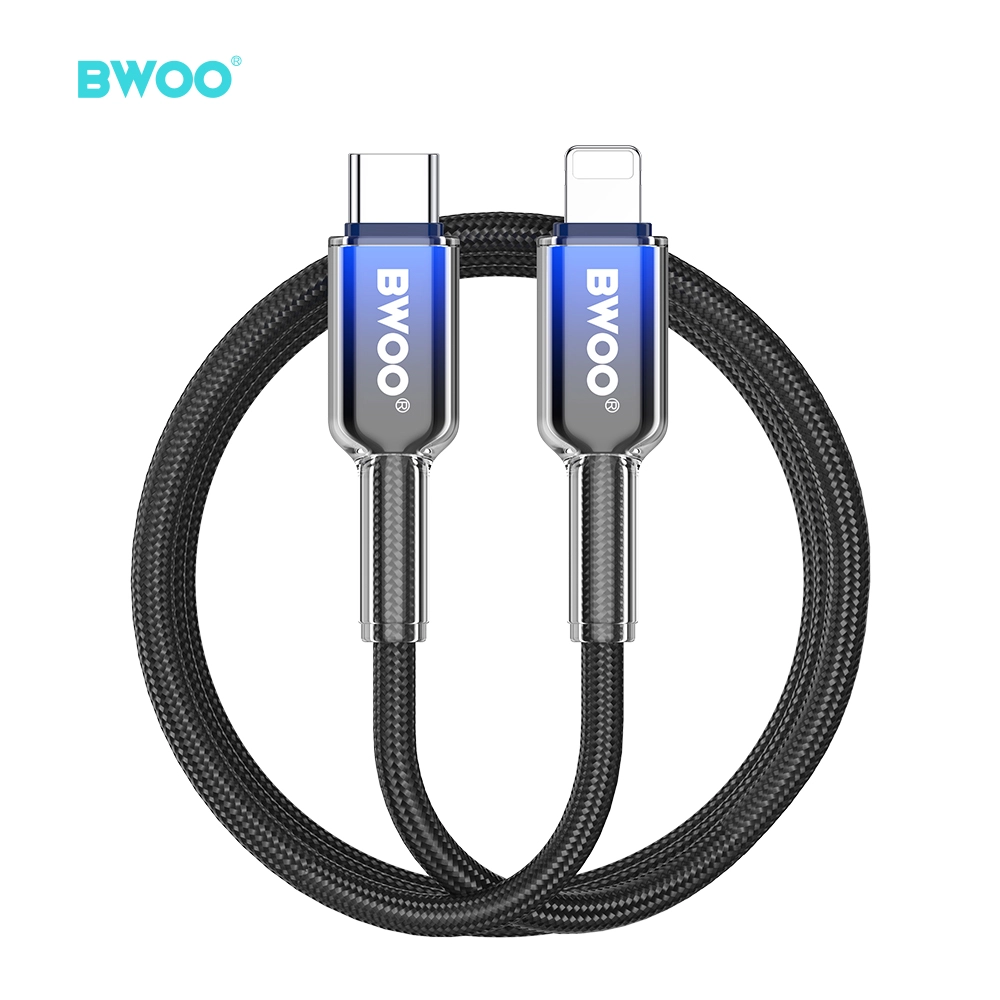
BWOO 27W Lightning Braided Cable with Extended Connector Tail | Wholesale & OEM/ODM
Charging Rating 27W: Designed for compatible devices and charging equipment. Actual output depends on the cable rating, charger, device and supported protocol.
Connector Type Lightning: Offers a defined connector configuration for buyers sourcing cables for compatible device ecosystems.
Nylon-Braided Cable Construction: The braided exterior gives the cable a textured finish for everyday handling and retail presentation.
Extended Connector Tail: The extended connector-tail design is intended to provide added coverage around the plug junction.
Listed Cable Length 1m: The supplied specification lists 1m; alternative lengths can be discussed subject to model and MOQ.
Have a question or want to learn more?
We’re here to help.
Follow us on social media
Empowering global smart living with certified quality and 20 years of manufacturing excellence.
Office
Rm 01, 10/F Mira Place Tower A, 132 Nathan Road, TST Kowloon, Hong Kong
Contact Information
SKYPE : +86 138 0243 8025
WhatsApp: +86 138 0243 8025
E-mail: Sales_A@gzbwoo.com
Social media
© 2026 BWOO. All Rights Reserved.
bwoo_global
BWOO Global
BWOO
Whatsapp: +8613802438025
BWOO HK TECH LIMITED